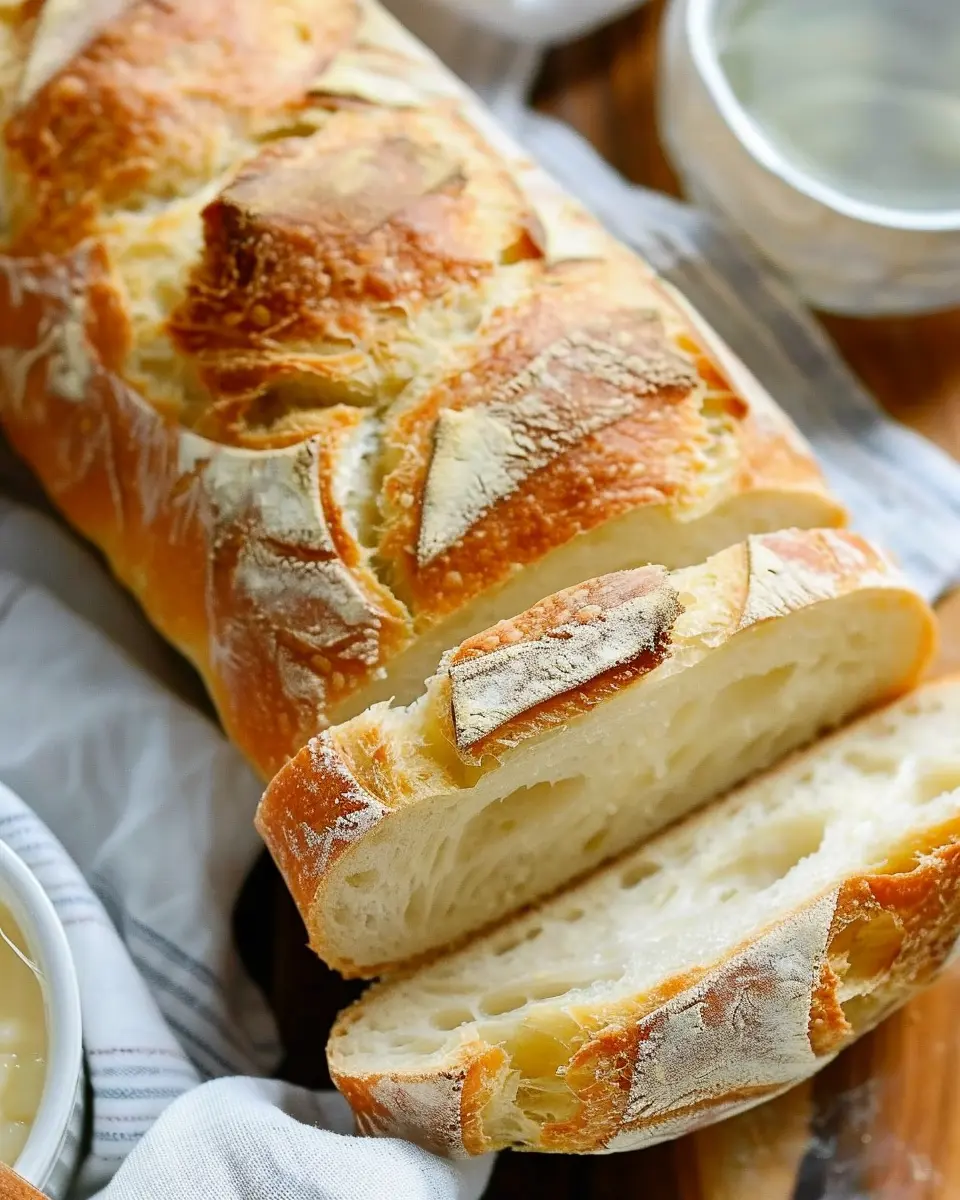
Introduction to Easy Homemade French Bread
Why Make Homemade French Bread?
Have you ever had a slice of freshly baked French bread that seemed to melt in your mouth? Making easy homemade French bread isn’t just about satisfying your taste buds; it’s also about the experience. Baking at home allows you to control the ingredients, ensure freshness, and customize flavors to suit your preferences. Plus, the aroma of bread baking will fill your home with a warmth that store-bought versions just can’t match.
Consider this: according to a report by the American Bakers Association, bread remains a staple in many diets. With the rise of interest in home baking—especially post-pandemic—many people are looking to explore this rewarding skill. When you bake your own bread, not only can you say goodbye to preservatives and artifical ingredients often found in supermarket loaves, but you’ll also enjoy the sense of accomplishment that comes when you pull that golden loaf from the oven.
The Satisfaction of Baking Your Own Bread
There’s a unique joy that comes from making easy homemade French bread. It’s more than just whipping up a quick recipe—it’s a therapeutic ritual. Kneading the dough, watching it rise, and ultimately enjoying the fruits of your labor can be incredibly satisfying. Have you ever imagined serving a warm, crusty loaf straight from your oven to your friends or family? It’s those little moments that make a gathering feel special.
- Healthier Option: You can create a delicious loaf with less salt and no preservatives.
- Cost-Effective: Homemade bread can be more affordable compared to artisan loaves from bakeries.
- Creative Freedom: Add herbs, spices, or even incorporate Turkey Bacon or Chicken Ham for a twist—whatever suits your palate!
Lastly, getting hands-on with easy homemade French bread can ignite your creativity in the kitchen, turning an ordinary eating experience into something extraordinary. The next time you’re looking for a simple yet rewarding cooking project, think about trying your hand at home-baked bread. Not only will you feel accomplished, but you’ll also create delicious memories to cherish.
For more information on the baking process and expert techniques, check out resources from King Arthur Baking or BBC Good Food. They offer valuable insights that can enhance your baking skills!
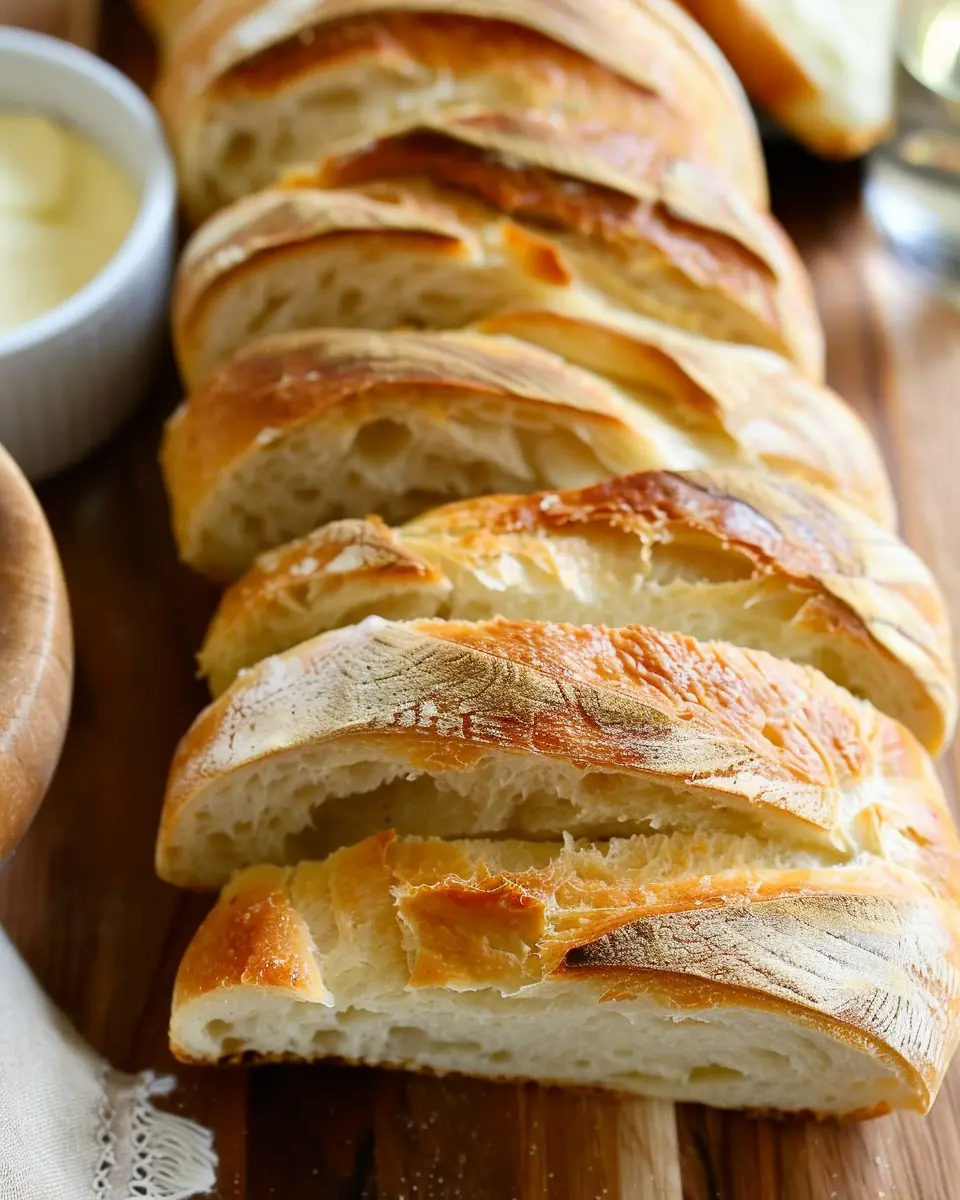
Ingredients for Easy Homemade French Bread
Essential Ingredients for a Perfect Loaf
Creating easy homemade French bread starts with a few essential ingredients that you probably already have in your kitchen. Here’s what you need:
- Flour: Use all-purpose flour for the best results; it provides the right structure and lightness.
- Water: Lukewarm water helps activate the yeast. Make sure it’s not too hot!
- Yeast: Active dry yeast is a must for your bread to rise perfectly.
- Sugar: A little sweetness helps feed the yeast and contribute to that lovely crust.
- Salt: Don’t skip this! Salt enhances flavor and controls yeast growth.
- Olive Oil: Adds richness and keeps the bread tender.
These ingredients work harmoniously to deliver a crusty exterior and a soft, airy interior. For in-depth bread-making techniques, check out this article on bread science from Serious Eats.
Equipment You’ll Need
You don’t need fancy tools, but having some basics makes the process smoother:
- Mixing Bowl: A large bowl to mix your ingredients.
- Measuring Cups and Spoons: For accuracy in your ingredient ratios.
- Loaf Pan or Baking Sheet: Depending on your preferred shape. You can also use a pizza stone for a more traditional approach.
- Kitchen Towel: To cover your dough while it rises.
- Sharp Knife or Razor Blade: For scoring the loaves before baking, which allows for a beautiful rise and crust.
With these ingredients and tools, you’ll be well on your way to mastering easy homemade French bread. Happy baking!
Step-by-Step Preparation for Easy Homemade French Bread
Making easy homemade French bread can feel like an art form, but with a bit of guidance, you’ll have loaves rising beautifully in no time. Whether it’s for a cozy dinner with a spread of dips, or as an addition to a savory soup, your homemade French bread will undoubtedly impress. Here’s a simple, step-by-step guide to crafting that warm, crusty loaf.
Activate the Yeast
The magic of bread making begins with yeast. Start by mixing 1 packet (about 2 ¼ teaspoons) of active dry yeast with 1 cup of warm water (between 100°F to 110°F). Add a pinch of sugar to give the yeast a boost—it’s like a mini energy drink for them! Let the mixture sit for about 5-10 minutes until it’s bubbly and frothy. If it doesn’t foam, your yeast might be expired, and you’ll want to grab a fresh packet. For further reading on yeast activation, check out this guide from King Arthur Baking.
Combine the Dry Ingredients
While your yeast is frothing away, gather the dry ingredients. In a large mixing bowl, combine 3 cups of all-purpose flour, 1 tablespoon of salt, and an additional 1 tablespoon of sugar. Mixing the salt and sugar evenly with the flour helps avoid any lumps in your final dough. Make sure you use high-quality flour; it really does make a difference in the final product!
Mix the Dough
Once your yeast is activated, it’s time to mix everything. Add the yeast mixture to the bowl with the dry ingredients. You can use a wooden spoon or your hands to combine them until a shaggy dough forms. Don’t worry if it looks a little messy at first; that’s all part of the charm! If you have a stand mixer with a dough hook, this would be the time to use it for a less hands-on approach.
Dough Rising Time
This is probably the most exciting part. After mixing, cover the bowl with a damp cloth or plastic wrap. Find a warm spot in your kitchen—somewhere your dough can rise undisturbed for about 1 to 2 hours, until it has doubled in size. This gradual rise improves the flavor and texture of your easy homemade French bread. Many people love to have a small bowl of warm water in the stove when preheating to create a humid environment for the dough to rise optimally.
Shape the Loaf
Once your dough has risen, it’s time to shape it. Sprinkle a little flour on your work surface and gently turn out the dough, being careful not to deflate it too much. Fold the dough a couple of times to create structure, then shape it into a loaf. For a classic French baguette style, roll it out to your preferred length and thickness. Don’t forget to pinch the seams to keep it tight!
Prepare for Baking
Before baking, you want to give your loaf one last rise. Place it on a baking sheet lined with parchment paper and cover it with a clean cloth. This second rise is about 30-45 minutes. Preheat the oven to 425°F (220°C) during this time. Right before your bread goes in, make a few diagonal slashes on top with a sharp knife or a bread lame. This helps the steam escape and creates a beautiful crust.
Bake the Bread
At last, it’s baking time! Place your shaped loaves in the preheated oven and bake for 25-30 minutes. You’ll know they’re done when they sound hollow when tapped on the bottom, and they have a gorgeous golden crust. If you’d like a crusty exterior, consider following baking tips found on resources like BBC Good Food.
With every step, you’re crafting something wonderful that’ll not only taste great but also fill your home with delicious aromas. Enjoy your homemade bread warm from the oven, perhaps with a smear of butter or alongside your favorite dish!
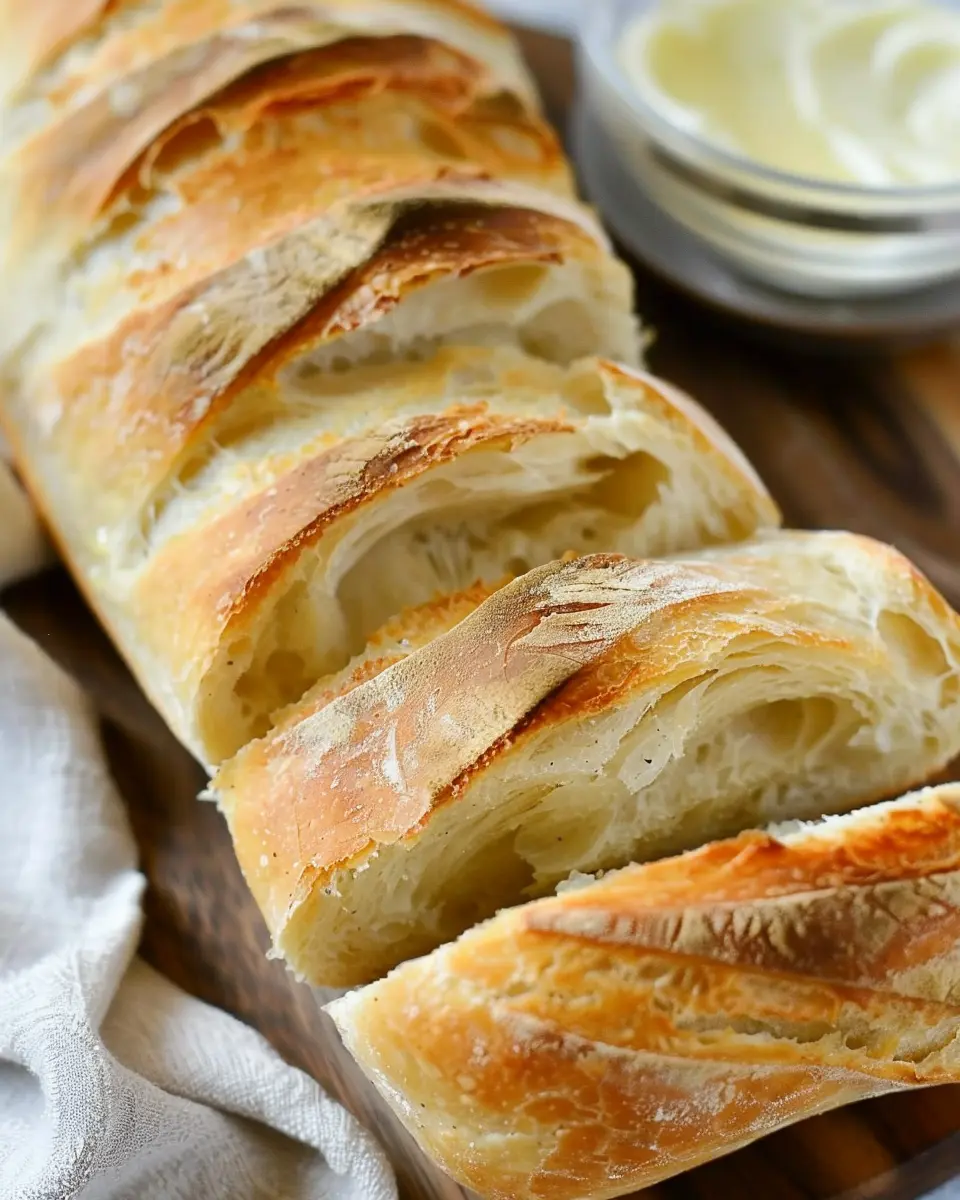
Variations on Easy Homemade French Bread
If you thought easy homemade French bread was just a plain loaf, think again! This versatile bread offers a canvas for countless flavors and styles. Here are two delightful variations that will elevate your homemade bread experience.
Herbs and Garlic French Bread
Transform your easy homemade French bread into a flavor-packed delight by incorporating herbs and garlic. A simple addition of fresh herbs can make all the difference. Consider these options:
- Rosemary: Adds an earthy, aromatic flavor that complements the bread beautifully.
- Thyme: Offers a subtle warmth that balances perfectly with garlic’s punch.
- Garlic: Freshly minced or roasted, garlic brings a savory depth.
To create this variation, simply mix minced garlic and your chosen herbs into the dough before the first rise. You can even sprinkle some on top before baking for an aroma that’ll have everyone asking what’s cooking!
Sweet French Bread with Cinnamon
If you’re in the mood for something sweet, this cinnamon variation is for you. Imagine waking up to the warm, inviting scent of cinnamon wafting through your kitchen. Here’s how to make it:
- Cinnamon Sugar Topping: Mix sugar and cinnamon to create a delightful crust.
- Raisins or Dried Fruits: Fold these into the dough for a chewy, sweet burst.
- Nutmeg: Just a hint can elevate the flavor profile even more.
For this version, sprinkle the cinnamon sugar on the dough before the final rise. The result? A loaf that’s perfect for breakfast or a cozy evening treat!
These variations are simple yet elevate your baking game. Explore them, and watch your homemade French bread charm your family and friends. For more ideas, you might want to check out resources like King Arthur Baking for inspiration!
Cooking Tips and Notes for Easy Homemade French Bread
Common Mistakes to Avoid
When making easy homemade French bread, avoiding common pitfalls can make all the difference. One mistake to watch out for is not allowing your dough to rise adequately. A warm, draft-free environment is essential for yeast activation. Also, resist the urge to add too much flour; stick to the amounts specified in your recipe to maintain that lovely soft texture.
Another crucial point is to temperature-check your water. Too hot can kill the yeast, while too cold can stifle it. A good rule of thumb is to aim for around 110°F (43°C). Need tips? The King Arthur Baking website offers great advice on yeast management.
Tips for Achieving the Perfect Crust
To get that crunchy crust everyone loves, follow these simple tips:
- Steam It Up: Place a pan of water in the oven while baking, creating steam that helps achieve that crispy exterior.
- Slash the Dough: Use a sharp knife to make shallow cuts on top of the loaf before baking. This helps the bread expand properly.
- Cool It Right: After baking, let your bread cool on a wire rack—the more airflow, the better the crust!
With these tips, you’ll be well on your way to creating an impressive loaf of easy homemade French bread that’ll wow your friends and family!
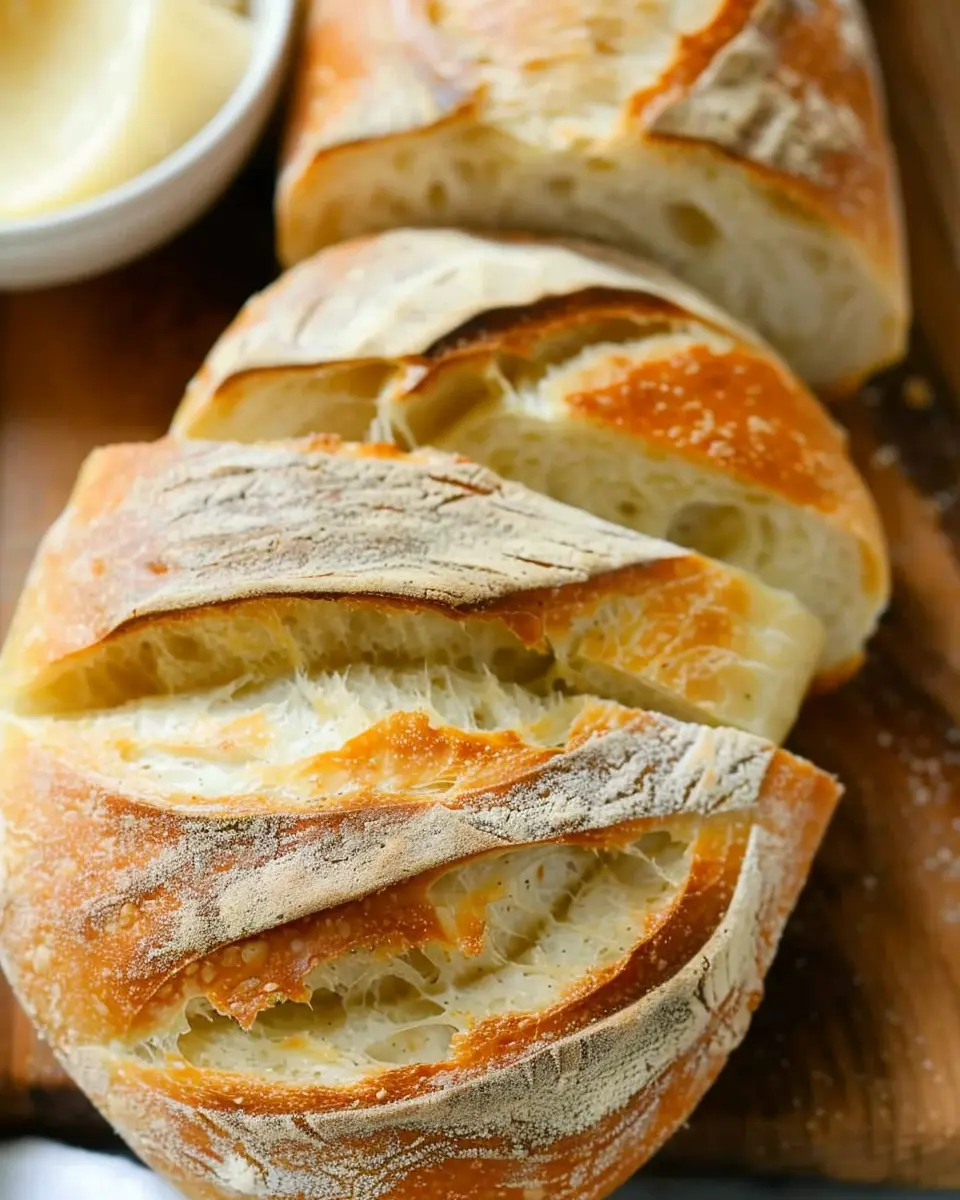
Serving Suggestions for Easy Homemade French Bread
When you whip up some easy homemade French bread, you’re not just creating a delicious loaf; you’re opening up a world of culinary opportunities. Here are some tasty ways to enjoy your fresh creation.
Pairing with Dips and Spreads
Imagine tearing off a warm piece of your French bread and dipping it into a savory artichoke dip or a zesty homemade hummus. The chewy crust and soft interior of your bread create the perfect vessel for delicious flavors. Try it with:
- Classic bruschetta topped with tomatoes and basil.
- A creamy spinach dip that adds a burst of color and taste.
- Olive oil infused with herbs for a light, flavorful spread.
For more ideas on dips, check out this appetizer guide.
Using Bread for Sandwiches or Toast
Your easy homemade French bread is also a fantastic canvas for sandwiches or toast. Picture a hearty sandwich filled with turkey bacon, avocado, and fresh sprouts, or perhaps a classic chicken ham and cheese melt. You can also make decadent French toast for breakfast:
- For a sandwich, layer in your favorite ingredients like sliced turkey bacon and veggies.
- A slice toasted with a drizzle of honey and berries makes a delightful breakfast option.
No matter how you slice it, easy homemade French bread will elevate your meals. Happy cooking!
Time Breakdown for Easy Homemade French Bread
Preparation Time
Getting started on your easy homemade French bread takes about 15 to 20 minutes. You’ll mix basic ingredients like flour, yeast, and water—nothing too fancy here! Just gather your tools, and you’ll be on your way to creating something wonderful.
Rising Time
Now comes the waiting (but it’s totally worth it!). Allow the dough to rise for about 1 to 1.5 hours. This is when the magic happens; the dough will grow and develop its airy structure. It’s a good time to prepare your meal or catch up on a favorite show.
Baking Time
Finally, the last step is baking, which typically takes around 25 to 30 minutes. Preheat your oven to ensure a crusty exterior and soft interior, making your easy homemade French bread simply irresistible!
For more tips on baking bread, you can check out resources from King Arthur Baking.
Nutritional Facts for Easy Homemade French Bread
When it comes to easy homemade French bread, understanding its nutritional profile can help you enjoy it in moderation. Let’s break it down:
Calories
A single serving of easy homemade French bread (about 1 ounce) contains approximately 70-80 calories. While it can be a delightful addition to your meals, be mindful of how much you indulge!
Carbohydrates
This French bread is rich in carbohydrates, providing around 15 grams per serving. Carbs are your body’s primary energy source, but pairing your bread with protein can help balance your meal.
Protein
You can expect to find about 2 grams of protein in each serving of easy homemade French bread. While it’s not a protein powerhouse, consider topping it with ingredients like turkey bacon or chicken ham for an added protein boost.
By incorporating this simple recipe into your diet, you can relish the warm, crusty goodness without any guilt. For more details on balanced eating, you can check out resources from the USDA or the Academy of Nutrition and Dietetics.
FAQs about Easy Homemade French Bread
Can I use regular yeast instead of rapid rise?
Absolutely! While easy homemade French bread recipes often call for rapid-rise yeast for a quicker rise time, you can use regular active dry yeast instead. Just keep in mind that it may require a bit more time for the dough to rise. Typically, the rising time for regular yeast can be about 1–2 hours, as opposed to the 30 minutes for rapid-rise yeast. If you’re looking for tips on active dry yeast conversion, check out The Spruce Eats for detailed guidance.
How do I store leftover bread?
Once you’ve baked up that perfect loaf of easy homemade French bread, you’ll want to keep it fresh. Here’s how:
- Room Temperature: Wrap the bread in plastic wrap or aluminum foil and store it in a cool, dry place. It should stay fresh for about 2-3 days.
- Freezing: For longer storage, slice the bread and wrap individual portions tightly in plastic wrap, followed by foil. It can last up to 3 months in the freezer! Just thaw it at room temperature or quickly in the oven.
What can I do if my dough doesn’t rise?
If your dough seems to be playing hide and seek, don’t worry! Here’s what you can check:
- Yeast Check: Make sure your yeast is fresh and active. You can test it by adding it to warm water with a bit of sugar; it should foam up within 10 minutes.
- Temperature: Dough loves a warm environment. If your kitchen is too chilly, try placing the bowl in an oven that’s turned off but slightly warmed, or in a sunny spot.
Baking bread can be a delightful adventure, so don’t get discouraged! Each challenge is a stepping stone to mastering your easy homemade French bread skills. Happy baking!
Conclusion on Easy Homemade French Bread
The Joy of Baking and Sharing Bread
There’s something truly special about making easy homemade French bread. The aroma that fills your kitchen, the satisfaction of kneading the dough, and the joy of pulling a golden loaf from the oven is an experience like no other. Sharing that warm, crusty delight with family or friends not only brings smiles but creates lasting memories.
As you embark on your baking journey, consider inspiring others by sharing your results on social media or inviting friends over for a homemade bread night. With each loaf, you foster connections, making ordinary moments extraordinary. Embrace the simplicity and joy of baking; indulge in a slice of your easy homemade French bread today!
PrintEasy Homemade French Bread: The Best Comfort Food for Your Table
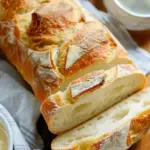
Learn how to make easy homemade French bread that’s perfect for any meal. This recipe provides step-by-step instructions for baking delicious, crusty loaves of bread right in your own oven.
- Prep Time: 10 minutes
- Cook Time: 30 minutes
- Total Time: 1 hour 40 minutes
- Yield: 1 loaf 1x
- Category: Bread
- Method: Baking
- Cuisine: French
- Diet: Vegetarian
Ingredients
- 4 cups all-purpose flour
- 1 tablespoon sugar
- 1 tablespoon salt
- 2 teaspoons active dry yeast
- 1 1/2 cups warm water
Instructions
- In a large bowl, combine warm water, sugar, and yeast. Let it sit for 5-10 minutes, until bubbly.
- Add flour and salt to the bowl, mixing until a dough forms.
- Knead the dough on a floured surface for about 10 minutes.
- Place the dough in a greased bowl, cover, and let it rise until doubled in size, about 1 hour.
- Punch down the dough and shape it into a loaf.
- Place the loaf on a baking sheet, cover, and let it rise for another 30 minutes.
- Bake in a preheated oven at 375°F (190°C) for 25-30 minutes until golden brown.
- Let cool before slicing and serving.
Notes
- For a crustier loaf, mist the oven with water before baking.
- Try adding herbs or garlic for extra flavor.
Nutrition
- Serving Size: 1 slice
- Calories: 120
- Sugar: 1g
- Sodium: 250mg
- Fat: 1g
- Saturated Fat: 0g
- Unsaturated Fat: 0g
- Trans Fat: 0g
- Carbohydrates: 24g
- Fiber: 1g
- Protein: 4g
- Cholesterol: 0mg
Keywords: Easy Homemade French Bread, French Bread, Bread Recipe