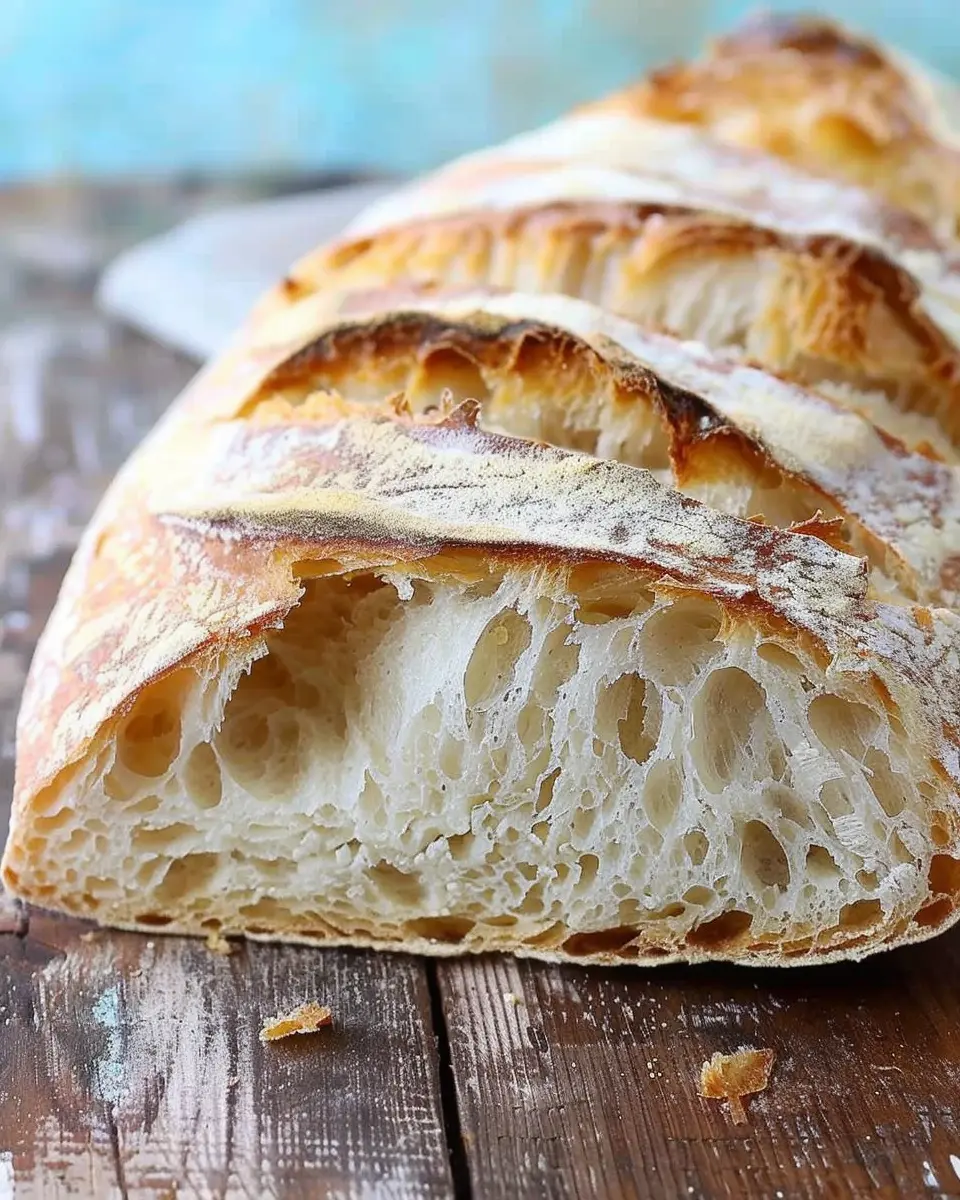
Introduction to Rustic Italian Crusty Bread
Why settle for store-bought bread?
Let’s be real for a moment: store-bought bread often pales in comparison to the golden crust and aromatic warmth of freshly baked bread. Many of us have settled for the convenience of pre-sliced loaves, but have you ever noticed the difference in taste and texture? The fluffy insides of mass-produced bread can sometimes feel overly processed, lacking the heartiness of a rustic Italian crusty bread.
Consider this: commercial bakeries often use preservatives to prolong shelf life. A 2021 study suggested that conventional bread may contain as many as 25 ingredients—many of which you’d likely find hard to pronounce (source). When you make bread at home, you control the ingredients, allowing you to craft something genuinely wholesome and nutritious.
The joys of homemade rustic bread
Is there anything quite like pulling a steaming loaf of rustic Italian crusty bread from the oven? Making your own bread is not just a cooking task; it can be a joyful ritual that brings the fragrance of Italy right into your kitchen.
Baking at home allows you to experiment with flavors and ingredients. Want to add a hint of rosemary or some roasted garlic? Go for it! Homemade bread captivates senses, blending an inviting aroma with that first, satisfying crunch upon slicing.
Additionally, the process isn’t as daunting as it may seem. With just a few simple ingredients—flour, water, salt, and yeast—you can create a bread that nourishes both the body and soul. It’s an art that has been passed down through generations in Italian households and can easily become a cherished weekend tradition for you as well.
Imagine serving warm slices of this rustic Italian crusty bread with a drizzle of olive oil or a spread of your favorite chicken ham—there’s a certain satisfaction you can’t find in the aisle of your local grocery store. So if you’re looking to elevate your culinary game and impress your friends, this is the perfect recipe for you.
Stay tuned for the full recipe that will guide you through this delightful journey of homemade happiness!
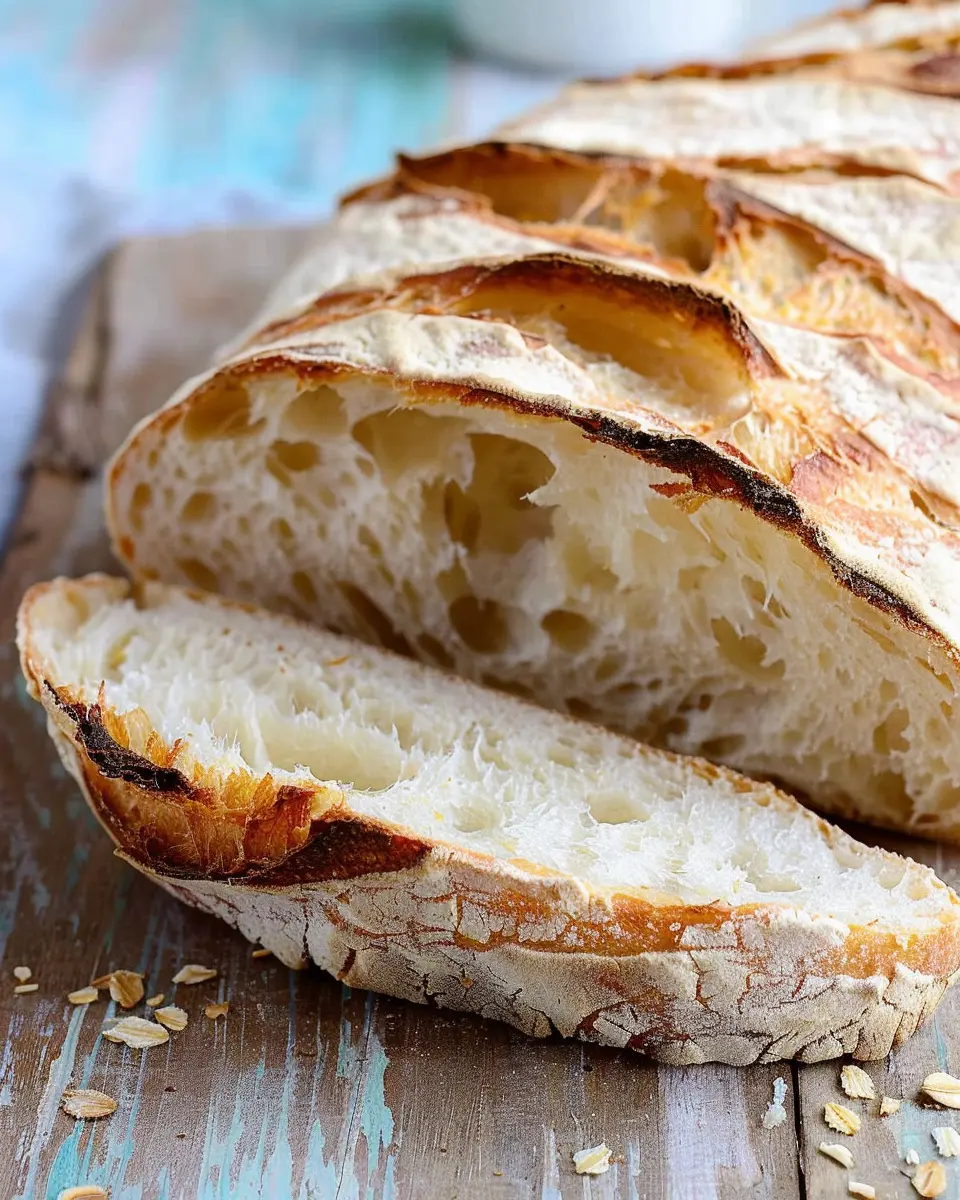
Ingredients for Rustic Italian Crusty Bread
When diving into the world of baking, having the right ingredients is essential for a delicious outcome. Making your own rustic Italian crusty bread isn’t just about following a recipe; it’s about understanding the components that create the perfect loaf. Here’s what you’ll need:
- Bread Flour: 4 cups of high-quality bread flour will give your bread that chewy texture and crusty exterior.
- Water: About 1 ½ cups of lukewarm water, ideally between 100°F and 110°F. This temperature helps activate the yeast effectively.
- Yeast: 1 packet (2 ¼ teaspoons) of active dry yeast. Freshness is key, so check the expiration date!
- Salt: 2 teaspoons of sea salt brings out the depth in flavors. Avoid skipping this step!
- Olive Oil: 2 tablespoons of extra virgin olive oil for a subtle richness.
These simple ingredients harmonize to create a satisfying rustic Italian crusty bread. You can even elevate your bread with herbs or spices if you’re feeling adventurous! Remember, baking is part science, part art, so feel free to experiment. Want to explore more about bread-making? Check out this comprehensive guide for tips and tricks from baking enthusiasts!
Ready to knead? Let’s get started on this delightful culinary journey!
Step-by-step Preparation for Rustic Italian Crusty Bread
Baking rustic Italian crusty bread in your own kitchen can feel nothing short of magical. Not only does it fill your home with incredible aromas, but it also brings a sense of satisfaction that only home-baked bread can provide. Let’s walk through each step together!
Gather your ingredients
Before you dive into the mixing and kneading, it’s essential to have all your ingredients ready. Here’s what you’ll need:
- All-purpose flour: 4 cups
- Water: 1 ½ cups, warm but not hot
- Salt: 1 ½ teaspoons
- Inactive dry yeast: 2 teaspoons
- A touch of olive oil (optional): for greasing
Feel free to take a moment to organize your workspace. A clean, clutter-free area is essential when diving into any cooking project. Preparing in advance not only makes the cooking process smoother, but it also gives you peace of mind.
Mix the dry ingredients
In a large mixing bowl, combine the all-purpose flour, salt, and inactive dry yeast. Give it a quick stir with a whisk or a fork until everything is well combined. Mixing these ingredients well prevents clumps of yeast from forming later in the process. Fun fact: Did you know that yeast is a living organism? It’s what makes your bread rise!
Add warm water and combine
Now it’s time to bring everything together. Gradually add the warm water to your dry ingredients while mixing simultaneously. Use a wooden spoon or your hands to combine until the mixture forms a shaggy dough. You may need to adjust slightly — adding a bit more water or flour to get the right consistency. The dough should feel sticky but manageable.
Allow the dough to rise
After everything is combined, transfer your dough to a lightly greased bowl, cover it with a damp cloth or plastic wrap, and let it rise in a warm, draft-free space for about 1 to 2 hours. This step is critical. The longer your dough rises, the more flavor it develops. So, don’t rush this step!
Shape the dough
Once the dough has doubled in size, gently turn it out onto a well-floured surface. You’ll want to shape it into a round or oval loaf, depending on your preference. If you’re feeling adventurous, consider making a few smaller mini loaves for sharing. Remember to handle the dough gently — you want to preserve those lovely air bubbles created during the rise.
Preheat the oven and prepare for baking
While your dough rests and recovers, preheat your oven to 450°F (232°C). It’s also a good idea to place a heavy baking stone or an inverted baking sheet in the oven to preheat as well. This will help create a crispy crust that we all love in rustic Italian crusty bread. To add an extra touch of artisanal flair, consider making a few shallow slashes in the top of the dough using a sharp knife before baking.
Bake the bread
Carefully transfer your loaf onto the preheated stone or sheet. You can create steam in the oven by placing a shallow pan filled with water on the bottom rack. This will help give your bread that classic, beautiful crust. Bake for about 30-35 minutes, or until the bread turns a luscious golden brown. You’ll know it’s done when it sounds hollow when tapped on the bottom.
Cooling the bread
After baking, carefully remove your masterpiece from the oven. Allow the bread to cool on a wire rack for at least 30 minutes before slicing. This waiting period might feel torturous, but it’s essential! Slicing too early can lead to a gummy interior, and we definitely want that warm, airy texture when you finally take a bite.
So, there you have it: a step-by-step guide to achieving that delicious rustic Italian crusty bread right at home. Grab some olive oil or your favorite spread, invite your friends over, and enjoy the fruits of your labor — delectable homemade bread! For more insights on artisan baking, consider checking out resources from King Arthur Baking.
Happy baking!
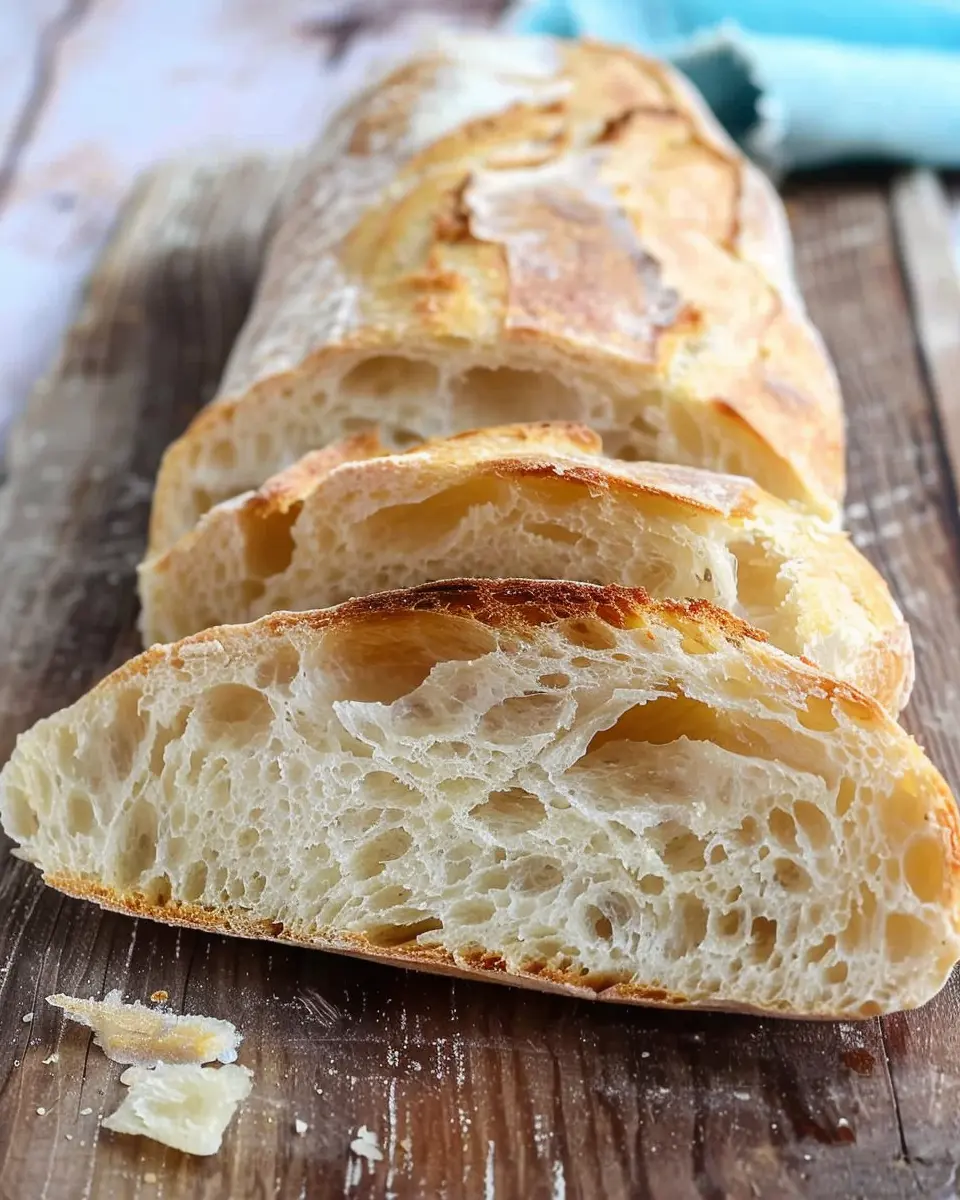
Variations on Rustic Italian Crusty Bread
When it comes to a rustic Italian crusty bread recipe, the versatility is endless! Here are two delightful variations to elevate your loaf game.
Herb-infused Rustic Bread
If you enjoy aromatic flavors, consider infusing your bread with fresh herbs. Adding ingredients such as rosemary, thyme, or oregano can transform a simple loaf into an herbaceous delight. Here’s how you can do it:
- Add chopped herbs: Mix in about 2 tablespoons of chopped fresh herbs into your dough during the mixing phase. Want a more pronounced flavor? Increase the amount to 3 tablespoons.
- Enhance with garlic: For a savory twist, incorporate minced garlic or roasted garlic cloves into the dough. This will give your crusty bread an irresistibly rich flavor.
- Experiment with spices: A pinch of crushed red pepper flakes or even a sprinkle of Parmesan cheese can add an exciting element.
Curious about herbs? A detailed guide on selecting and using fresh herbs can be found at Herb Society of America.
Olive and Sundried Tomato Variation
For a Mediterranean flair, consider adding olives and sundried tomatoes. This combination creates a delicious contrast of flavors.
- Incorporate olives: Use about 3/4 cup of pitted and chopped olives (Kalamata or green work beautifully) into your dough, mixing them in with the flour.
- Sun-dried tomatoes: Slice up around 1/2 cup of sundried tomatoes (oil-packed works best) and add them for bursts of sweetness in each bite.
These ingredients not only complement the rustic character of your bread but also give it a gorgeous look with flecks of vibrant color.
Getting creative with variations like these can make your rustic Italian crusty bread the star of any meal!
Cooking Tips and Notes for Rustic Italian Crusty Bread
Importance of dough consistency
When crafting your rustic Italian crusty bread recipe, the consistency of your dough is key. It should be slightly sticky yet manageable; this balance encourages the development of a chewy crumb while allowing for a beautiful rise. Don’t shy away from adding a touch more flour if necessary, but avoid overdoing it—too much flour can lead to a dense loaf. For an excellent resource about dough consistency, check out Bread Baking Basics.
The role of steam in crusty bread
Creating the sought-after crust on your bread isn’t just a matter of good ingredients; steam plays an essential role. During the initial baking phase, steam keeps the crust moist, promoting expansion and giving it that delightful golden finish. To harness steam, consider placing a pan of water in the oven or spritzing the dough with water just before baking. This simple step will elevate your rustic Italian crusty bread recipe into something truly special!
Baking bread can truly be an art form, so don’t hesitate to make a few adjustments along the way—each loaf will teach you something new. Happy baking!
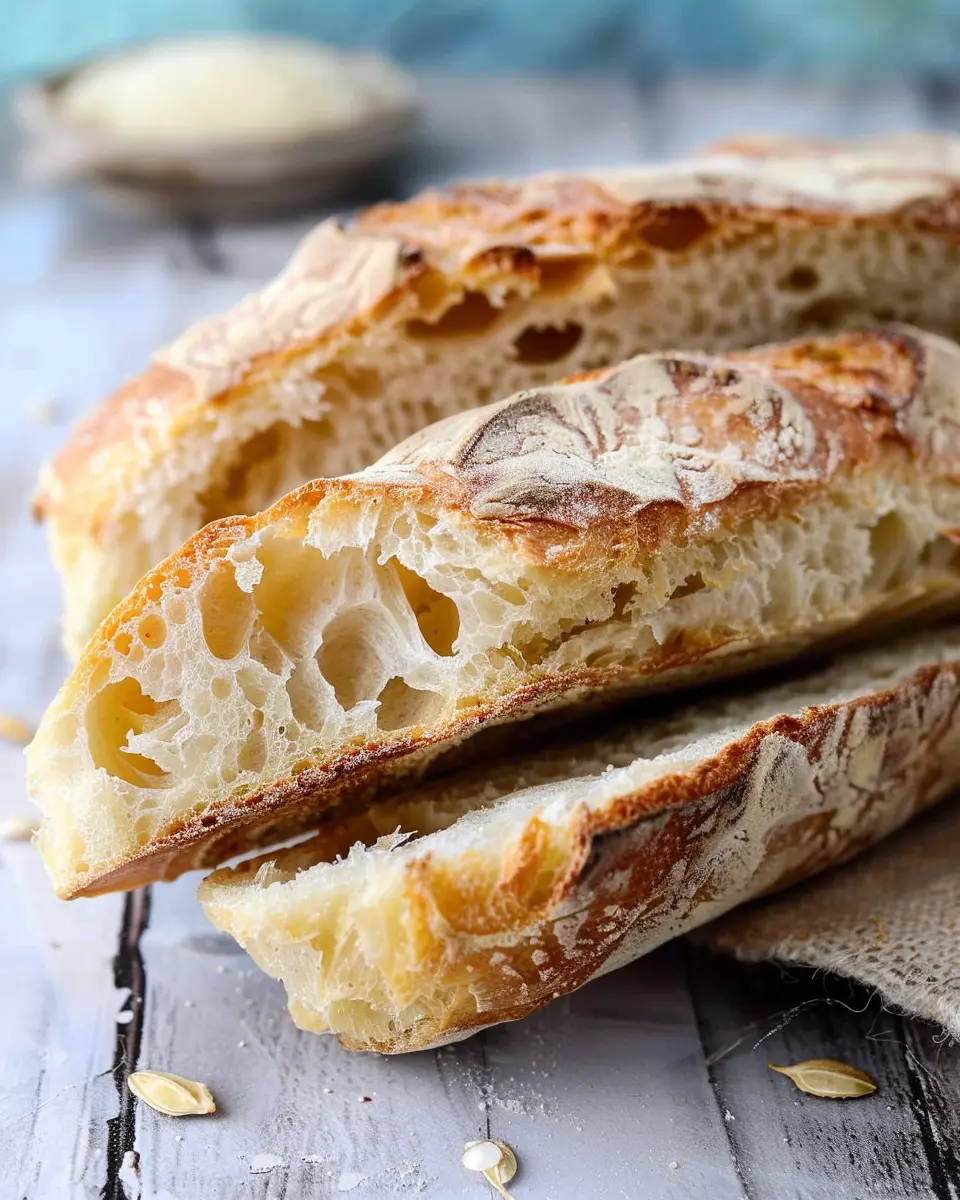
Serving Suggestions for Rustic Italian Crusty Bread
Pairing with dips and spreads
This rustic Italian crusty bread recipe shines when enjoyed with a variety of dips and spreads. Think creamy hummus, zesty pesto, or traditional bruschetta topped with juicy tomatoes. The crustiness of the bread offers the perfect balance against smooth textures. You might also try serving it with a whipped feta dip or a robust olive tapenade. Not only do these pairings elevate the flavors, but they also create an inviting appetizer spread for gatherings. If you’re looking for delicious dip recipes, check out sites like AllRecipes or Food Network.
Perfect accompaniments for sandwiches
If you’re crafting a sandwich, the sturdy nature of rustic Italian crusty bread makes it ideal for holding together hearty fillings. Consider using it as a base for a delectable turkey bacon club or stuffing it with layers of chicken ham, crisp lettuce, and fresh tomatoes. For a vegetarian twist, load it with grilled vegetables and a spread of your choice. This bread doesn’t just complement the ingredients; it enhances the overall experience, making each bite satisfying and flavorful. Discover more sandwich ideas on BBC Good Food.
Embrace creativity and versatility with your rustic Italian crusty bread!
Time Breakdown for Rustic Italian Crusty Bread
Preparation time
You’ll want to set aside about 20 minutes for the initial preparation of your rustic Italian crusty bread recipe. This is when you’ll mix your ingredients, combine the flour and water, and start developing that dreamy dough. Don’t rush it—this step is crucial for building flavor!
Rising time
Be patient during the rising phase, which takes roughly 1 to 2 hours. You’ll need that time for your dough to double in size and absorb all those delicious flavors. Find a warm spot in your kitchen to let it do its magic; a cozy environment can make a world of difference.
Baking time
Finally, the baking takes about 30 to 35 minutes. As your bread transforms in the oven, the aroma will fill your home, making it impossible to resist peeking!
Total time
In total, you’re looking at around 2 to 3 hours from start to finish. This includes preparation, rising, and baking. Keep that in mind as you plan your day! If you want to dive deeper into the best practices for bread-making, check out this insightful guide on bread fermentation. Happy baking!
Nutritional Facts for Rustic Italian Crusty Bread
When baking your own Rustic Italian Crusty Bread, you might be curious about what’s packed into that delicious loaf. Here’s a quick breakdown:
Calories
On average, a single serving of this hearty bread contains around 150-180 calories. This makes it a great addition to your meal without overwhelming your daily caloric intake.
Carbohydrates
With approximately 30-35 grams of carbohydrates per serving, this bread delivers a boost of energy. Carbs are essential for sustaining your active lifestyle, especially if you enjoy outdoor activities or workouts!
Protein
Finally, each serving provides about 4-5 grams of protein. Though it’s not a primary protein source, combining Rustic Italian Crusty Bread with toppings like turkey bacon or chicken ham can create a satisfying, well-rounded meal.
For deeper insights into carbohydrate needs and nutrition, check out the American Heart Association and USDA for food composition data. Enjoy baking and indulging in this amazing recipe!
FAQs about Rustic Italian Crusty Bread
How do I achieve a perfect crust?
Creating that iconic, crispy crust is part of what makes this rustic Italian crusty bread recipe so delightful. The key is steam! You can achieve this by placing a pan of hot water in the oven while your bread bakes, or by spritzing the interior of your oven with water just after placing the dough inside. This steam will help the crust form beautifully. Additionally, baking at a high temperature (around 450°F) gives you that crunchy outside while keeping the inside soft and chewy.
Can I use different types of flour?
Absolutely! While traditional recipes often call for all-purpose flour or bread flour, feel free to experiment with other types such as whole wheat, spelt, or even a mix of flours. Just keep in mind that the hydration levels may change, so you might need to adjust the water content in your recipe slightly. If you’re curious about using alternative flours, check out this guide on flour types from the King Arthur Baking Company.
What to do if my dough is too sticky?
If you find your dough to be a bit too sticky, don’t worry—it happens! A little extra flour can help, but be cautious not to add too much, as it can affect the texture. Instead, try wetting your hands when handling the dough. This prevents sticking and allows you to shape it more easily. If your dough is still overly wet after kneading, consider letting it rest for an extra 15 minutes before shaping it; this can help with hydration and sticking issues.
Curious about more tips or troubleshooting? Feel free to reach out or check some of my other baking articles!
Conclusion on Rustic Italian Crusty Bread
Embracing the art of bread-making
Making your own rustic Italian crusty bread can be incredibly rewarding. Not only do you connect with the time-honored tradition of bread-making, but you also gain an appreciation for the simple ingredients that come together to create something truly delicious. Each loaf tells a story, whether it’s the subtle fragrance of the flour or the delightful crunch of the crust.
Inviting friends to share your homemade bread
There’s something special about sharing your homemade bread. Why not invite friends over for a casual gathering, pairing your rustic Italian crusty bread with olive oil and balsamic vinegar? It’s the kind of experience that fosters connection and conversation. Plus, fresh bread is always a hit, making for a perfect centerpiece on your dining table.
When you bake, you’re not just creating food; you’re crafting moments that linger in everyone’s memory. So grab your apron, gather some loved ones, and enjoy the delightful, crunchy goodness of your homemade bread! For more bread-making tips, visit King Arthur Baking.
PrintRustic Italian Crusty Bread Recipe: Easy Steps for a Heartwarming Loaf
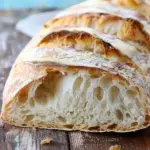
Learn how to make a delicious rustic Italian crusty bread with simple steps.
- Prep Time: 15 minutes
- Cook Time: 35 minutes
- Total Time: 1 hour 50 minutes
- Yield: 1 loaf 1x
- Category: Bread
- Method: Baking
- Cuisine: Italian
Ingredients
- 4 cups all-purpose flour
- 1 ½ cups warm water
- 2 teaspoons salt
- 1 teaspoon sugar
- 2 teaspoons active dry yeast
Instructions
- In a large bowl, combine flour, salt, and sugar.
- In another bowl, dissolve yeast in warm water.
- Mix the wet ingredients into the dry ingredients until a dough forms.
- Knead the dough for about 10 minutes until smooth.
- Let the dough rise in a warm place for 1 hour.
- Punch down the dough, shape it into a loaf, and let it rise for an additional 30 minutes.
- Bake in a preheated oven at 450°F (230°C) for 30-35 minutes.
Notes
- The bread can be stored at room temperature for up to 3 days.
- For extra crustiness, place a pan of water in the oven while baking.
Nutrition
- Serving Size: 1 slice
- Calories: 120
- Sugar: 0g
- Sodium: 300mg
- Fat: 1g
- Saturated Fat: 0g
- Unsaturated Fat: 1g
- Trans Fat: 0g
- Carbohydrates: 25g
- Fiber: 1g
- Protein: 4g
- Cholesterol: 0mg
Keywords: rustic Italian bread, crusty bread, easy bread recipe