
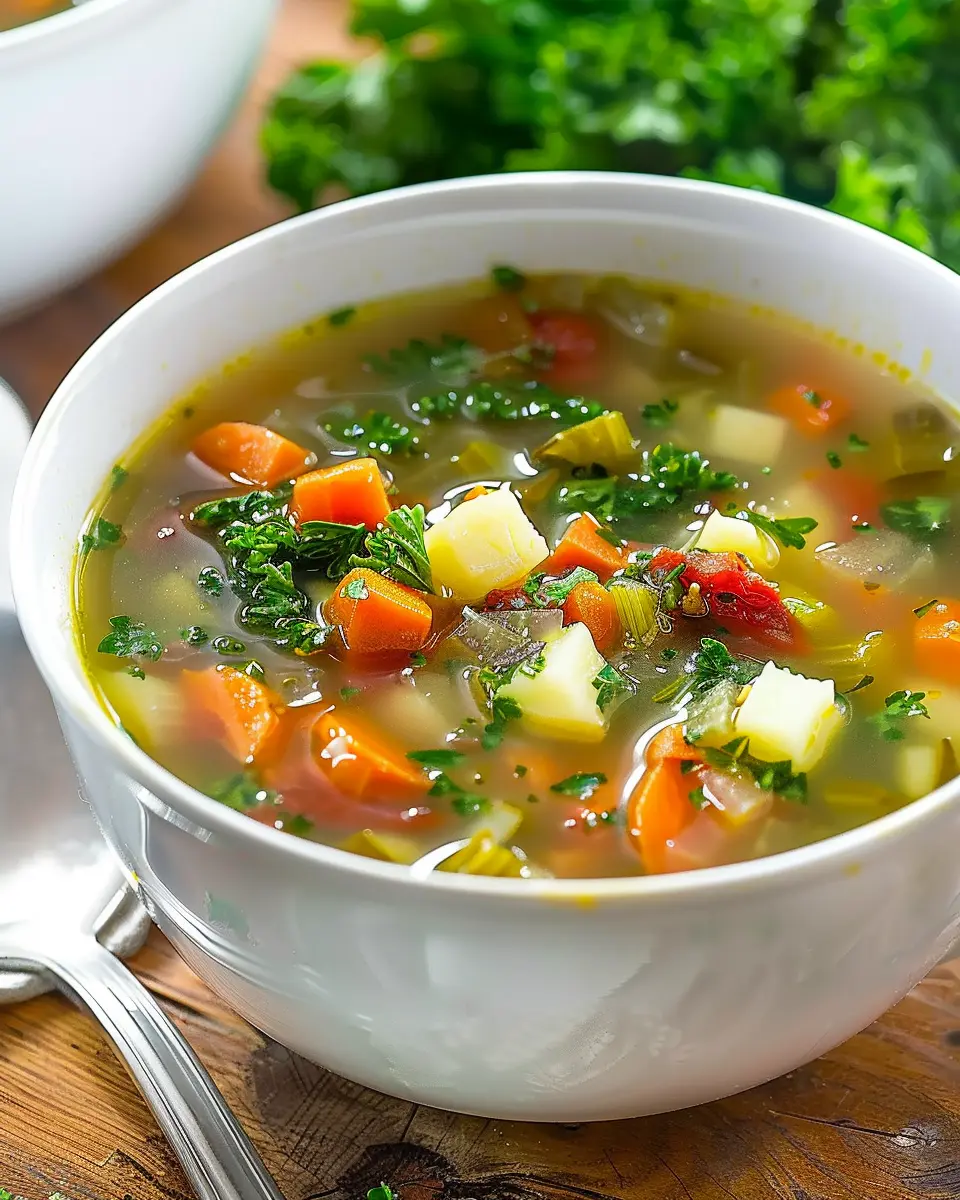
Introduction to Vegetable Soup
The Comfort of Homemade Vegetable Soup
There’s something undeniably comforting about a warm bowl of homemade vegetable soup. It’s the kind of dish that warms your soul after a long day — a remedy for both the body and mind. As the scent of simmering vegetables fills your kitchen, you might find yourself reminiscing about family gatherings or cozy evenings spent chatting over a steaming pot.
Making vegetable soup is not just about following a recipe; it’s an invitation to customize and create a dish that is uniquely yours. Are you in the mood for something hearty and filling? Add some chicken ham or even turkey bacon for an extra protein kick. Prefer a cleaner, vegetarian version? Simply load it up with your favorite seasonal veggies and herbs. The possibilities are endless, which is exactly what makes this soup a staple in many households.
According to studies, cooking at home not only fosters creativity but also provides a sense of accomplishment. By whipping up a batch of vegetable soup, you’re doing more than just feeding your body; you’re creating a nourishing experience that can reduce stress and promote mental well-being. Additionally, a well-made vegetable soup is a fantastic way to sneak in those essential vitamins and minerals, with each spoonful packed with nutrient-dense ingredients like carrots, greens, and tomatoes.
But wait, you don’t need to be a Michelin-star chef to create a delicious pot of vegetable soup! With a few simple ingredients and a little time, anyone can whip up this delightful dish. For some tips on vegetable selection, check out reputable sources like Healthline or the USDA’s website, which provide excellent nutritional information on various veggies.
In this article, you’ll find a straightforward recipe that breaks down the process, ensuring even novice cooks can feel confident in their kitchen. So grab your favorite pot, gather your ingredients, and let’s dive into the wonderful world of vegetable soup – your taste buds and body will thank you!
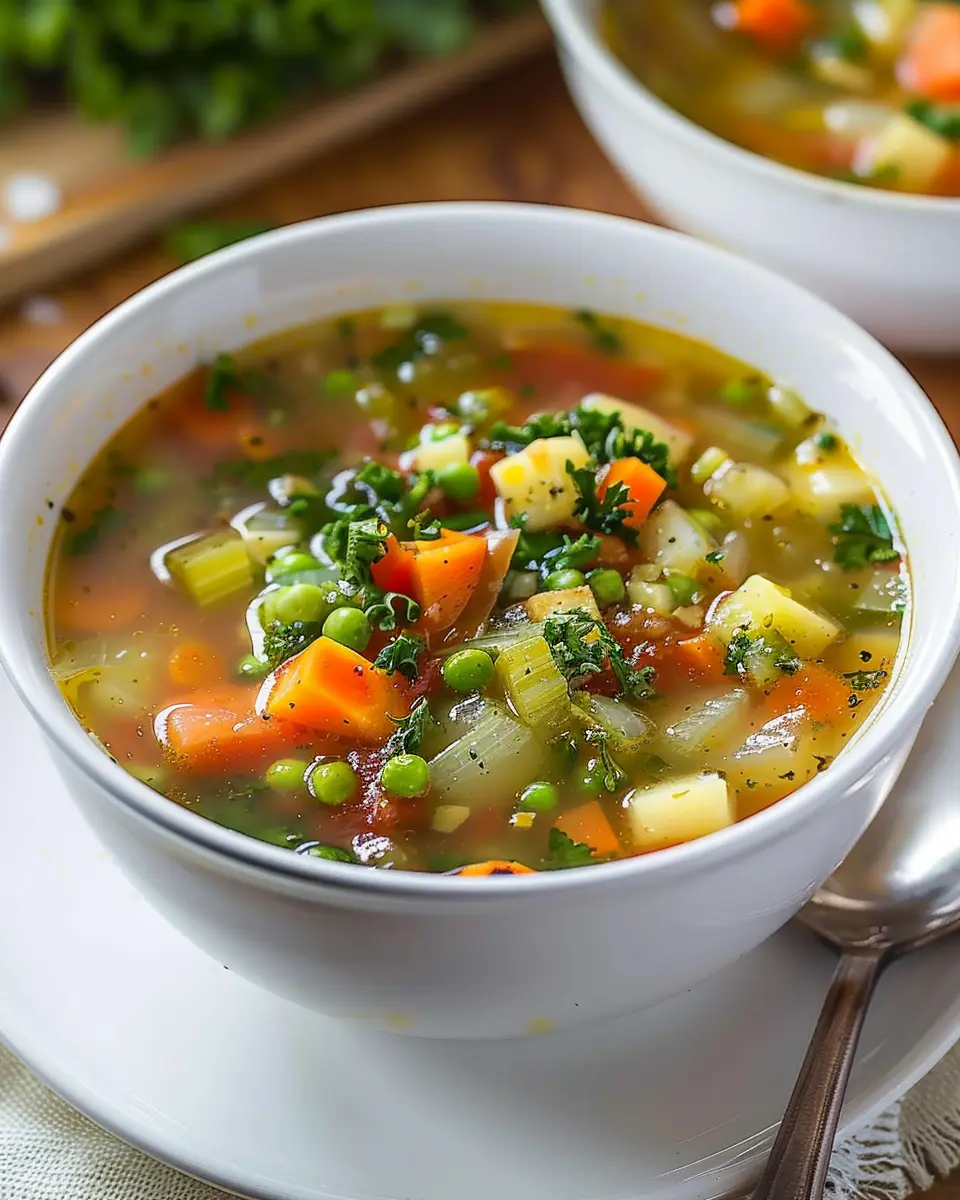
Ingredients for Vegetable Soup
When it comes to making a delicious vegetable soup, the magic lies in selecting the right ingredients. Here’s what you’ll need for a hearty and healthy bowl:
-
Fresh Vegetables: Start with a mix of your favorites, such as carrots, celery, and bell peppers. These add flavor and nutrition. Consider using seasonal vegetables for the freshest taste.
-
Leafy Greens: Spinach, kale, or Swiss chard add depth and richness to your soup. They’re excellent sources of vitamins and minerals.
-
Herbs and Spices: Fresh herbs like thyme, rosemary, and parsley elevate the flavor. Don’t forget salt and pepper to taste.
-
Protein Boost: Incorporate Turkey Bacon or Chicken Ham for an extra layer of flavor without piling on calories. If you’re looking for vegetarian options, consider lentils or chickpeas.
-
Broth: Vegetable or chicken broth serves as a great base. Homemade broth can elevate your soup’s flavor profile, so if you have the time, go for it!
These ingredients not only contribute to a lively dish but also pack a nutritious punch. Check out this guide on the health benefits of vegetable soups to learn more! Happy cooking!
Preparing Vegetable Soup
There’s something undeniably comforting about a warm bowl of vegetable soup. It’s the kind of dish that not only nourishes your body but also lifts your spirit. Whether you’re looking for a quick weeknight meal or a delightful starter for your dinner party, preparing vegetable soup is straightforward—and fun! Let’s dive into the steps to create a delicious pot of soup that you’ll want to make again and again.
Gather and Prep Your Ingredients
The first step in crafting your vegetable soup is gathering all your fresh ingredients. This is where the adventure begins, and the key to a fantastic soup is using high-quality, seasonal vegetables. Here’s what you’ll typically need:
- Aromatics: onions, garlic, and celery.
- Vegetables: bell peppers, carrots, zucchini, and green beans work wonderfully. Don’t be afraid to mix in anything you have on hand!
- Protein: consider adding turkey bacon or chicken ham for heartiness.
- Herbs & Spices: dried oregano, thyme, and a pinch of salt and pepper. Fresh herbs like parsley and basil add a lovely finish.
- Liquids: vegetable broth (homemade is best!) and a can of diced tomatoes.
Make sure to wash and chop your veggies into bite-sized pieces for even cooking. If you’re curious about how to choose the best veggies, check out this guide on seasonal produce.
Sauté the Aromatics
Now that you have everything ready, let’s start cooking! In a large pot, heat a splash of olive oil over medium heat. Add your chopped onions, garlic, and celery. Sauté for about 5 minutes, stirring occasionally until they become fragrant and slightly golden. This step is crucial because it allows the flavors to develop and creates a base that’ll elevate your vegetable soup.
Add the Vegetables and Seasonings
Once your aromatics are ready, toss in your chopped vegetables. Carrots, bell peppers, and zucchini add a colorful and nutritious twist. Don’t forget, as you cook, to sprinkle in your dried herbs, salt, and pepper—this enhances the taste right from the start. If you find you’re hungry already, this stage is where the scent of your soup really starts to shine, coaxing everyone into the kitchen with its aroma!
Incorporate the Tomatoes and Broth
Next, it’s time for the stars of the show: the tomatoes and broth. Pour in that can of diced tomatoes (juice included) and enough vegetable broth to cover your veggies—this usually means about 4 to 6 cups, depending on how chunky you like your soup. Bring it to a gentle boil, and don’t forget to scrape the bottom of the pot to lift those delicious bits of flavor. This is where all the good stuff happens!
Simmer to Perfection
Once your soup is boiling, reduce the heat to low and let it simmer. This is when the magic takes place—10 to 20 minutes of gentle bubbling will allow the flavors to meld beautifully. Keep the lid slightly ajar to avoid spilling over, and feel free to give it a stir from time to time. Want to make it your own? Experiment with different seasoning blends or throw in a splash of apple cider vinegar for acidity!
Finish with Fresh Greens and Seasoning
When you’re just about ready to serve, it’s time to fold in some fresh greens. Spinach or kale works wonderfully—simply let them wilt in the simmering soup for a couple of minutes. Before serving, taste it one last time to check if it needs a touch more seasoning. This final step is what will bring that first spoonful of vegetable soup to life.
With these six steps, you’ll have a fulfilling and nutritious vegetable soup that warms both the belly and the soul. Pair it with a crusty loaf or serve it alongside a fresh salad for a complete meal. Enjoy this journey into comfort food, and remember to share your variations with friends—after all, home cooking is best when shared!
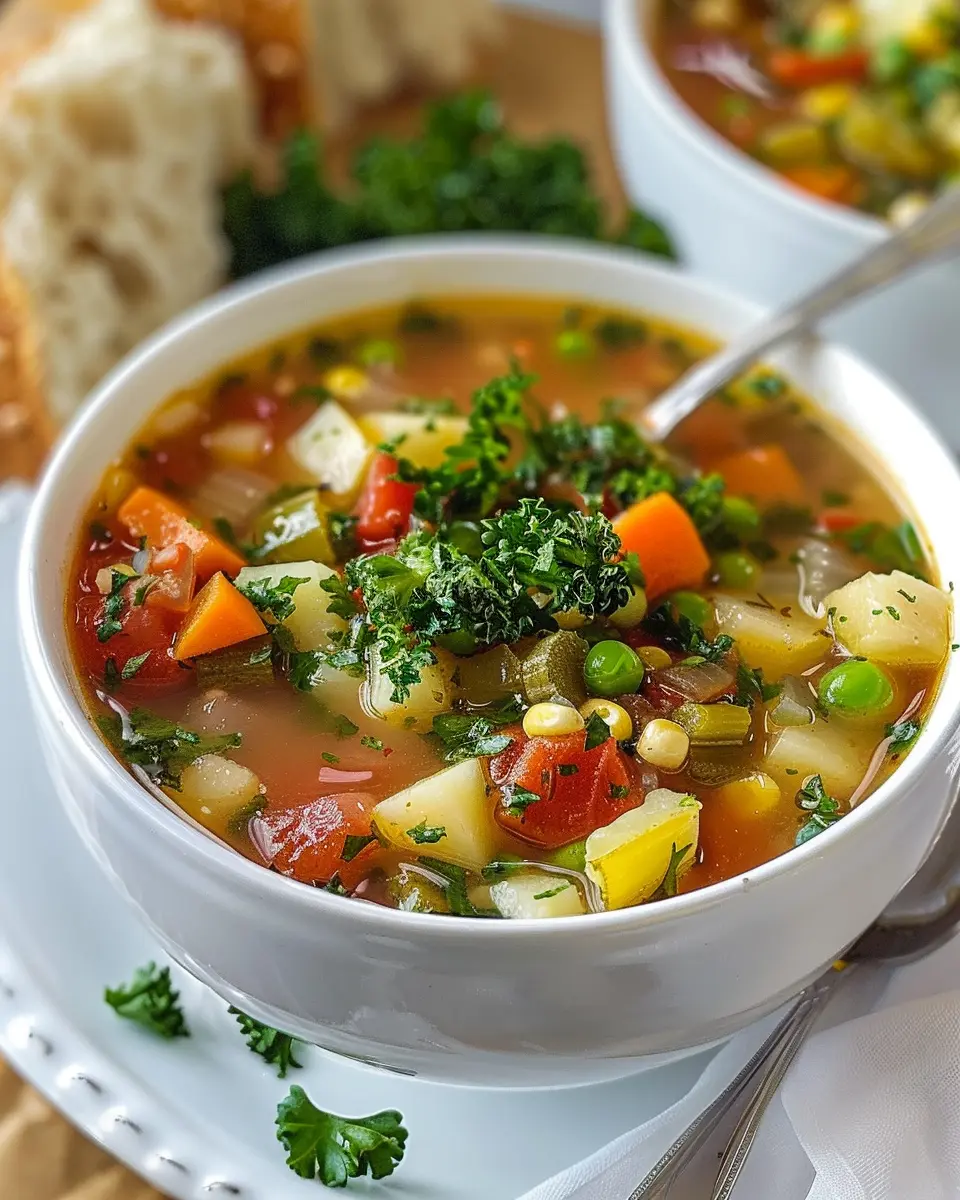
Variations on Vegetable Soup
Vegetable soup has an incredible versatility that allows you to explore different flavors and textures while still enjoying a wholesome meal. Let’s dive into some delicious variations you can create!
Hearty Bean and Vegetable Soup
Are you looking for a meal that’s filling yet healthy? This hearty bean and vegetable soup is a crowd-pleaser! It combines your favorite vegetables—like carrots, celery, and spinach—with protein-packed beans such as black beans or kidney beans.
Ingredients to include:
- Canned beans (rinsed and drained)
- Chopped onion and garlic for flavor
- Vegetable broth as the base
- A mix of seasonal veggies
Feel free to add some spices like cumin or oregano for an extra flavor boost. This makes for a balanced dish that’s perfect for busy weeknights. If you want to explore more about the benefits of beans in your diet, check out the American Heart Association.
Spicy Vegetable Curry Soup
If you’re craving something with a kick, try this spicy vegetable curry soup. The beauty of this variation lies in its warming spices, including turmeric, ginger, and simmering coconut milk.
Tips for preparation:
- Use a base of sautéed onions, garlic, and ginger.
- Add in your favorite vegetables, such as sweet potatoes and bell peppers.
- Stir in coconut milk and curry powder for a signature flavor.
This soup not only warms you up but also feeds your soul with its rich aroma!
Creamy Vegetable Soup with Coconut Milk
A creamy vegetable soup can be a comforting choice, especially as the seasons change. This version uses coconut milk to enhance the texture and flavor without the heaviness.
How to make it creamy:
- Blend cooked veggies like cauliflower, carrots, and peas with coconut milk.
- Season with salt, pepper, and a dash of lime juice for brightness.
This soup pairs beautifully with crusty bread for a satisfying meal. Plus, consider adding some freshly chopped herbs for an aromatic touch!
Experimenting with these variations on vegetable soup ensures you’ll never get bored with your meals. Whether you’re going for hearty, spicy, or creamy, there’s always a delightful option waiting for you!
Cooking Tips and Notes for Vegetable Soup
Creating the perfect vegetable soup doesn’t have to be daunting. Here are some handy tips to elevate your soup game.
Choose Fresh Ingredients
Always go for the freshest vegetables you can find. Seasonal produce not only tastes better but also packs in more nutrients. Check out your local farmer’s market for vibrant, local veggies that can enhance your vegetable soup.
Flavor Boosters
Don’t forget about seasoning! Start with a good base—onions, garlic, and carrots are your friends. Adding herbs like thyme, basil, or even a splash of lemon juice can brighten flavors beautifully.
Customize to Your Taste
Feel free to make this soup your own! Want to add some protein? Turkey bacon or chicken ham make fantastic additions without overwhelming the vegetable flavors. For a heartier version, throw in some beans or lentils.
Timing is Everything
Add hearty vegetables like potatoes early on, but save quicker-cooking veggies, like spinach or zucchini, for the last few minutes to keep them vibrant and fresh.
Experiment, taste as you go, and enjoy the process! For more inspiration on healthy cooking, check out Nutrition.gov or Eatright.org.
These small adjustments can lead to a spectacular bowl of comfort that’s not just healthy but delicious too!
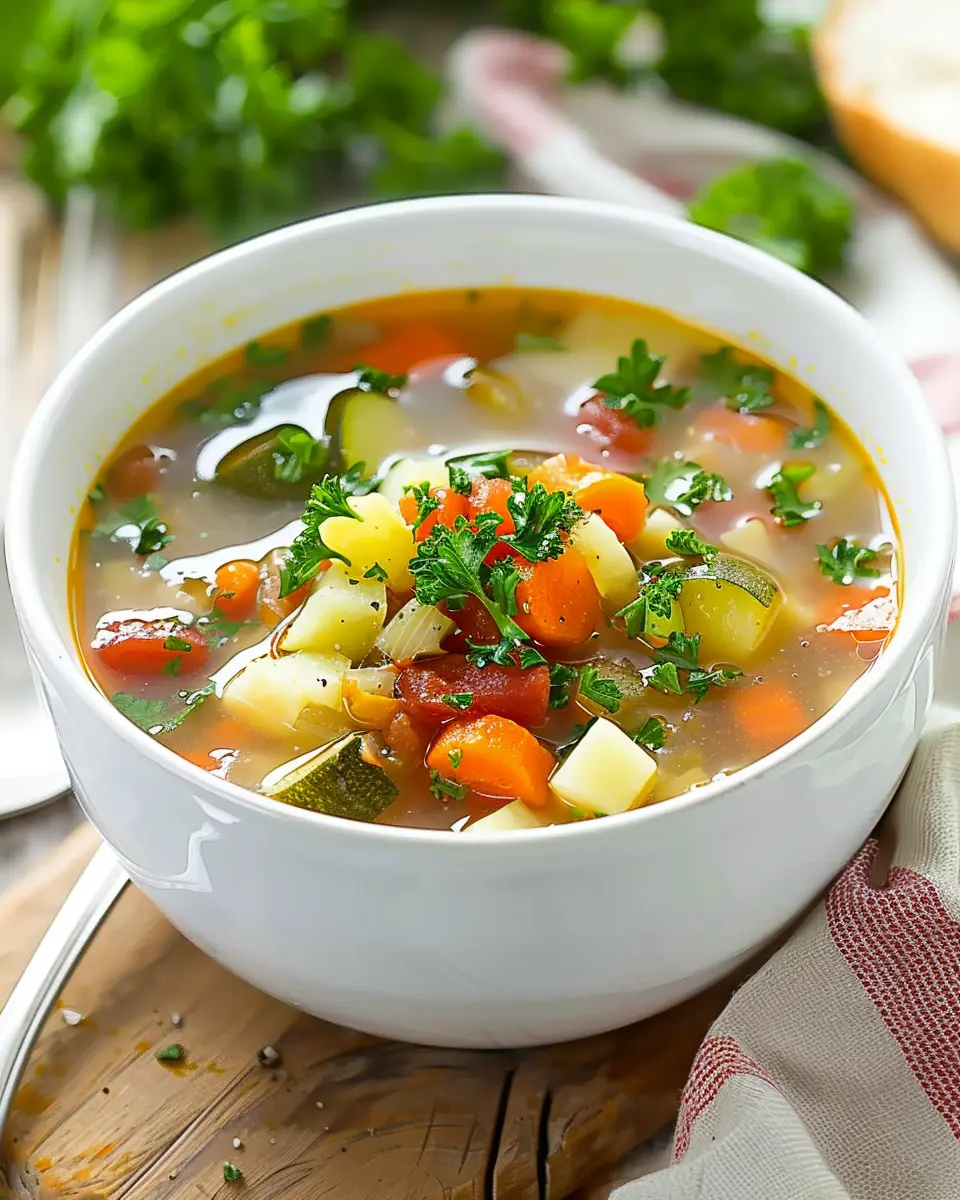
Serving Suggestions for Vegetable Soup
Pairing with Crusty Bread
A bowl of vegetable soup is simply incomplete without the satisfying crunch of crusty bread. Whether you choose a hearty sourdough, warm baguette, or a classic ciabatta, this duo is a match made in kitchen heaven. Just think about it: dipping that warm, crusty bread into the rich, flavorful broth elevates your dining experience.
Serving as a Main Course
Feeling extra hungry? Make your vegetable soup the star of the show by serving it as a main course. To enhance your soup, add protein like Turkey Bacon or Chicken Ham. These additions not only provide flavor but also create a more filling meal. Pair it with a simple side salad for a well-rounded lunch or dinner.
Garnishing Ideas for Presentation
Presentation matters! A sprinkle of fresh herbs, such as parsley or basil, adds vibrant color and a fresh taste. Consider a drizzle of olive oil or a dollop of sour cream for richness. For a bit of fun, add croutons for texture. This elevates your vegetable soup from ordinary to visually stunning, a dish you’ll be excited to share.
For more serving ideas, check out this great resource on soup pairings that can inspire your next meal!
Time Breakdown for Vegetable Soup
When it comes to making a comforting bowl of vegetable soup, understanding the time commitment can really help streamline your cooking process. Below, you’ll find a handy breakdown that’ll make your soup-making experience enjoyable and stress-free.
Preparation Time
Set aside about 15 minutes to chop your vegetables and prepare your ingredients. This time allows you to not just get organized but also to enjoy the aroma of fresh produce as you work.
Cooking Time
Once everything is ready, the actual cooking will take around 30 minutes. This is when the flavors meld together, creating that delicious and hearty vegetable soup you’re craving.
Total Time
In total, you’ll need about 45 minutes from start to finish. This means you can easily whip up a warm, nourishing meal after a long day. Remember, making soup is forgiving; feel free to adjust the time based on your cozy cooking vibes.
For more tips on soup-making, check out Epicurious’s guide for additional insights and techniques!
Nutritional Facts for Vegetable Soup
When it comes to keeping things healthy and delicious, vegetable soup stands out as a wholesome choice. Let’s dive into some key nutritional facts to see just why it deserves a spot in your meal rotation.
Calories
A typical serving of vegetable soup contains around 150-200 calories, depending on the specific ingredients and portion size. This makes it a fantastic option for anyone looking to enjoy a filling meal without the guilt.
Fiber
Vegetable soup is rich in dietary fiber, often providing about 5-7 grams per serving. Fiber is essential for digestion and can help you feel full longer. If you want to boost the fiber content, consider adding beans or lentils to the mix!
Vitamins and Minerals
Packed with vitamins A, C, and K, as well as essential minerals like potassium and magnesium, vegetable soup is a nutritional powerhouse. These nutrients are vital for maintaining a strong immune system and promoting overall health. For more detailed information, check out sources like Healthline or Nutrition.gov.
By filling your bowl with this colorful blend of veggies, you can enjoy both flavor and nutrition in every sip. So, why not whip up a pot today? Your body will thank you!
FAQ about Vegetable Soup
How can I make my vegetable soup more flavorful?
Great question! Vegetable soup can sometimes come across as bland, but there are easy ways to amp up the flavors. Here are some tips:
- Use fresh herbs: Basil, thyme, and rosemary can really elevate your soup. Consider adding them towards the end of cooking for a burst of brightness.
- Stock up on stock: Instead of water, use vegetable stock or broth as your base. This provides a richer flavor foundation.
- Incorporate spices: Don’t shy away from seasonings like paprika, cumin, or even a pinch of chili flakes for warmth.
- Sauté first: Cooking your onions and garlic in a bit of olive oil before adding other ingredients builds depth right from the start.
What vegetables are best for making soup?
When it comes to vegetable soup, the beauty lies in versatility. Here are some veggies that work wonders:
- Carrots: Sweet and earthy, they add body and texture.
- Celery: A classic soup staple that brings subtle flavor.
- Potatoes: These add heartiness and creaminess when puréed.
- Green beans and peas: Both provide a fresh crunch and vibrant color.
- Leafy greens: Spinach or kale can be tossed in at the end for extra nutrition.
Want more ideas? Check out this vegetable soup guide for inspiration.
Can I freeze vegetable soup?
Absolutely! Freezing vegetable soup is a smart way to ensure you always have a healthy meal on hand. Just follow these simple steps:
- Cool it down: Let the soup cool completely before transferring it to freezer-safe containers.
- Leave room: Make sure to leave some space in containers for expansion.
- Label and date: This makes it easy to track freshness. Your soup will stay good for about 3-6 months!
Now you’re ready to tackle any leftover veggies and make a comforting pot of vegetable soup! Whether you opt for a simple blend or a more complex mix of ingredients, it’s a warming meal that’s hard to resist.
Conclusion on Vegetable Soup
The Joy of Homemade Comfort Food
There’s something truly special about a bowl of homemade vegetable soup. It’s more than just nourishment; it’s a comforting embrace on a chilly evening. Whipping up a pot allows you to experiment with flavors, using seasonal vegetables and spices, creating your unique signature blend.
Did you know that incorporating a variety of vegetables can enhance not only the flavor but also the nutritional value of your soup? For a delightful twist, add ingredients like Turkey Bacon or Chicken Ham for a savory depth. Plus, making your own soup is budget-friendly and reduces food waste—perfect for the environmentally conscious!
Whether you enjoy it as a starter or a complete meal option, this soup can fit seamlessly into your busy lifestyle. So, grab a pot, get creative, and indulge in the joy of vegetable soup. For more inspiration on healthy eating, check out sources like Healthline or Mayo Clinic for expert tips.
PrintVegetable Soup: Easy Recipe for Comforting Homemade Bliss

Enjoy this easy and comforting vegetable soup recipe that brings warmth to your home.
- Prep Time: 15 minutes
- Cook Time: 30 minutes
- Total Time: 45 minutes
- Yield: 4 servings 1x
- Category: Soup
- Method: Stovetop
- Cuisine: American
- Diet: Vegan
Ingredients
- 2 tablespoons olive oil
- 1 onion, chopped
- 2 carrots, sliced
- 2 celery stalks, chopped
- 3 garlic cloves, minced
- 4 cups vegetable broth
- 1 can (14.5 oz) diced tomatoes
- 1 teaspoon dried basil
- 1 teaspoon dried oregano
- 1 bay leaf
- 2 cups mixed vegetables (e.g. green beans, peas)
- Salt and pepper to taste
Instructions
- In a large pot, heat the olive oil over medium heat.
- Add the onions, carrots, and celery, and sauté until they are softened.
- Stir in the garlic, and cook for another minute.
- Add the vegetable broth, diced tomatoes, basil, oregano, and bay leaf to the pot.
- Bring the mixture to a boil, then reduce heat and simmer for 20 minutes.
- Stir in the mixed vegetables and cook for an additional 10 minutes.
- Season with salt and pepper to taste before serving.
Notes
- For a heartier soup, add cooked beans or lentils.
- Feel free to add any leftover vegetables you have on hand.
Nutrition
- Serving Size: 1 bowl
- Calories: 180
- Sugar: 4g
- Sodium: 700mg
- Fat: 8g
- Saturated Fat: 1g
- Unsaturated Fat: 7g
- Trans Fat: 0g
- Carbohydrates: 28g
- Fiber: 6g
- Protein: 5g
- Cholesterol: 0mg
Keywords: vegetable soup, comfort food, healthy, homemade