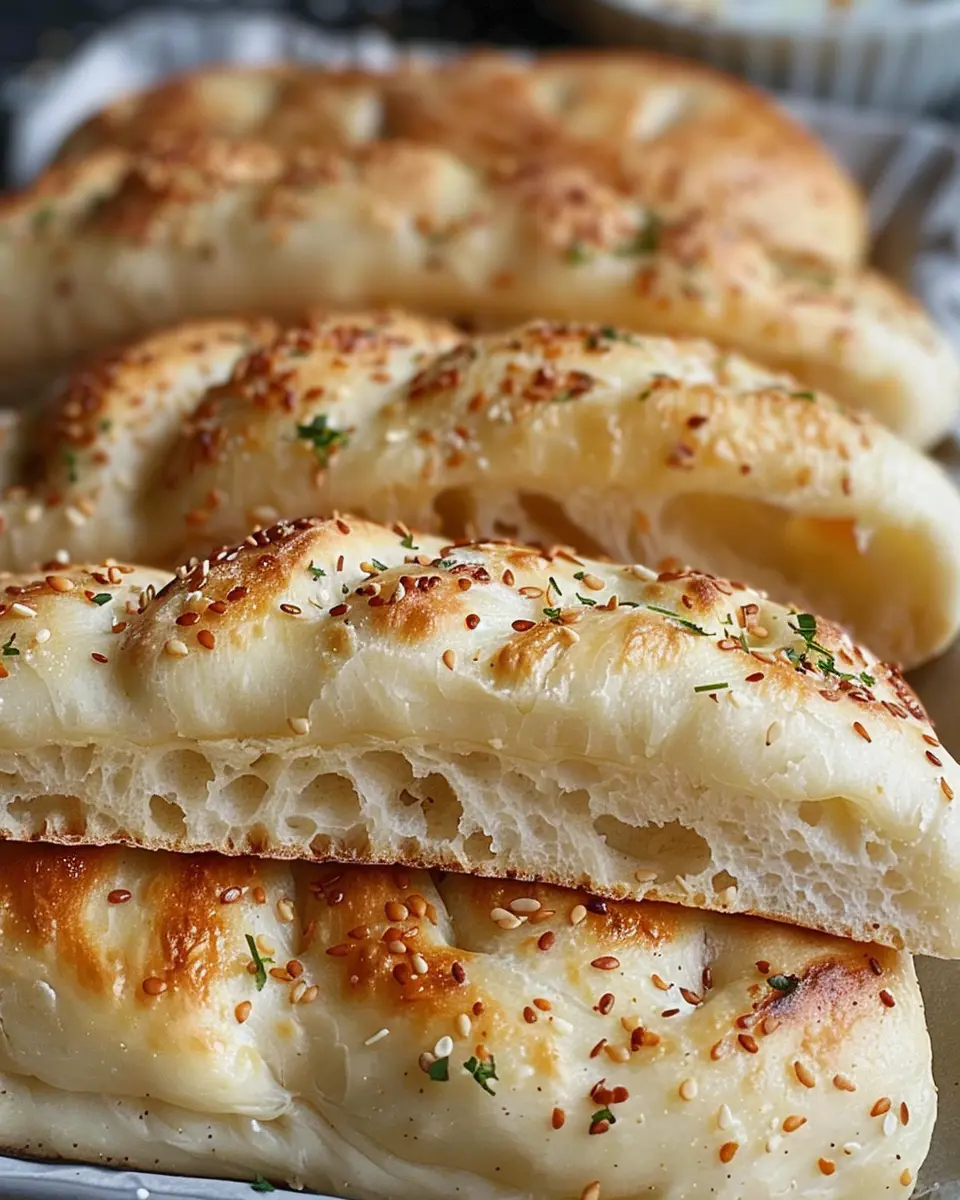
Introduction to No-Oven Turkish Bread
Whether you’re juggling late nights at the office or endless to-do lists, cooking can often feel like one more thing to check off. That’s where no-oven Turkish bread comes into play—a simple and satisfying recipe that caters perfectly to the busy lifestyle of young professionals.
Why No-Oven Bread is a Game Changer for Young Professionals
Imagine a warm, freshly baked loaf that hugs your home with its aroma, yet requires none of the fuss of preheating or managing an oven. With the hustle and bustle of daily life, this is a dream come true. Let’s be honest—who has time for intricate recipes that demand all-day attention? According to a survey by New York Magazine, 61% of millennials feel they lack the time to cook elaborate meals.
No-oven Turkish bread offers a straightforward solution. You’ll only need a few simple ingredients and a stovetop pan to whip up this delightful bread. Perfect for quick breakfasts, impromptu gatherings, or a comforting meal after a taxing workday, this recipe requires just about 30 minutes from start to finish.
Plus, the beauty of this no-oven method lies in its versatility. This bread acts as an excellent side for various dishes, like a creamy hummus or zesty tzatziki, enhancing your dining experience without adding extra stress. If you’d like to explore more about Turkish cuisine, consider visiting Turkish Cuisine on BBC Good Food.
But it’s not just about convenience; there’s also something rewarding about creating your food from scratch. With every batch you make, you’re honing your culinary skills, experimenting with flavors, and finding joy in the process. Plus, you’ll impress friends and colleagues with your newfound cooking prowess—who wouldn’t love the taste of homemade bread?
Incorporating this no-oven Turkish bread into your regular cooking routine not only addresses time constraints but also adds a delicious touch to your meals. So roll up your sleeves and get ready to discover how effortless bread-making can truly be!
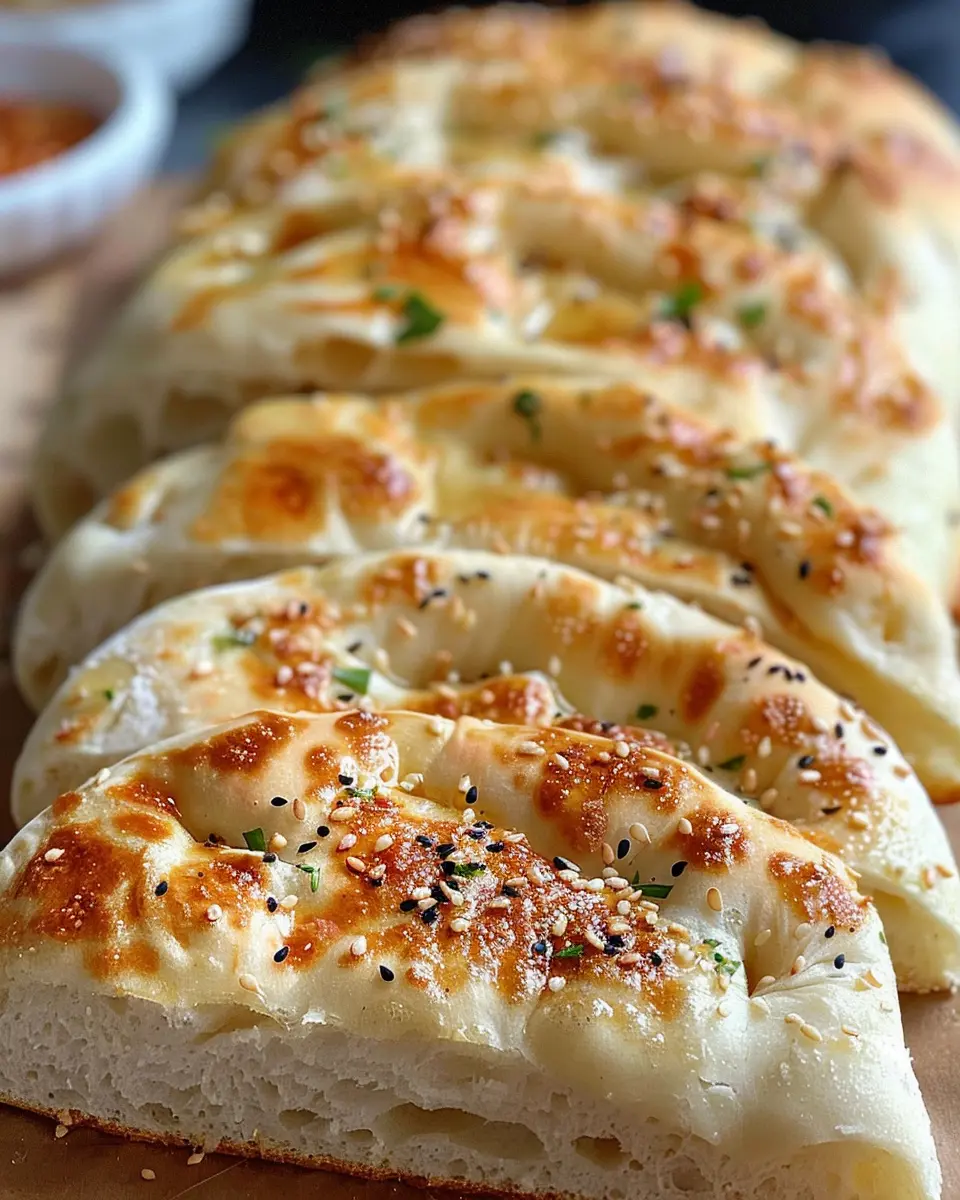
Ingredients for No-Oven Turkish Bread
Essential ingredients for a delicious no-oven bread
Making a delectable no-oven Turkish bread is simpler than you’d think! Here’s what you’ll need to create that perfect loaf that’s both fluffy and flavorful.
- All-purpose flour: The backbone of your bread, providing structure. You’ll need about 3 cups.
- Active dry yeast: Just 2 teaspoons to give your bread that lovely rise.
- Warm water: Around 1 cup; it should feel like warm bathwater to activate the yeast.
- Salt: 1 teaspoon for seasoning; it enhances the bread’s overall flavor.
- Sugar: A teaspoon is perfect to help activate the yeast.
- Olive oil: About 2 tablespoons adds richness and moisture to the dough.
- Greek yogurt: Optional, but a half cup can make your bread wonderfully tender!
Got all that? Great! These ingredients are probably already in your pantry or fridge. If you’re curious about variations, consider adding herbs or spices for a unique twist. Feeling adventurous? Check out more on bread-making techniques here for tips to elevate your culinary skills!
Preparing No-Oven Turkish Bread
Making no-oven Turkish bread at home is not just a culinary adventure; it’s a fantastic way to impress your friends and family with fresh, warm bread—cooked right on your stovetop! Let’s walk you through the steps from combining ingredients to savoring the final product, making the process easy and approachable, even if you’re new to baking.
Combine warm liquids and yeast
Start by gathering your ingredients. You will need:
- 1 cup of warm water (not boiling!)
- 2 teaspoons of active dry yeast
- 1 tablespoon of sugar (optional but helps activate the yeast)
In a mixing bowl, combine the warm water, yeast, and sugar. Let this sit for about 5–10 minutes. You’re looking for a frothy texture; this indicates your yeast is alive and kicking! If you’re unsure about your yeast’s potency, check out this guide on how to test yeast.
Mix flour and salt, and create the dough
In a separate bowl, mix:
- 3 cups of all-purpose flour
- 1 teaspoon of salt
Create a well in the center of the flour mixture and pour in the activated yeast mixture. Using a wooden spoon or your hands, mix the flour and liquids until a shaggy dough begins to form. This dough will be quite sticky at first, but don’t worry—we’ll fix that in the next steps!
Knead your dough to perfection
Now comes the fun part: kneading! Turn your dough out onto a floured surface and sprinkle a little more flour on top. Knead the dough for about 8–10 minutes until it becomes smooth and elastic. It should still be slightly tacky but manageable. If you’ve ever had the pleasure of kneading dough, you know it’s therapeutic and a great workout for your arms! Remember, this is your chance to channel your inner baker.
Let your dough rise
Once kneaded, place your dough in a lightly greased bowl, cover it with a clean kitchen towel, and let it rise in a warm place for about 1 hour or until it doubles in size. This step is crucial; the rising time allows those delightful air bubbles to form, resulting in a lighter, fluffier bread. Pro tip: If your kitchen is a bit chilly, you can pop the dough into a slightly warmed oven (turn it off beforehand) to help it rise.
Shape the dough into rolls
After your dough has risen, gently punch it down to release the air. Turn it out onto a lightly floured surface again, and divide it into 8 equal portions. Roll each portion into a ball; you can make them as large or small as you like. Place the shaped rolls on a baking sheet lined with parchment paper and cover them again, letting them rest for another 15 minutes while you get ready to cook.
Cook the bread on the stovetop
To cook your no-oven Turkish bread, preheat a non-stick skillet or griddle over medium heat. Working in batches, place the rolls in the skillet, ensuring they aren’t crowded. Cover the skillet with a lid to create a mini oven effect. Cook for about 4 minutes on one side until golden brown, then flip and repeat on the other side. Keeping that lid on helps trap steam, ensuring the rolls puff up beautifully while cooking.
Add a final touch with melted butter (optional)
If you’re feeling indulgent (and who wouldn’t be after making such delicious bread?), brush the warm rolls with melted butter as soon as they come off the heat. This step adds a beautiful gloss and a rich flavor that will have everyone reaching for seconds. You can even sprinkle a touch of sea salt or sesame seeds on top for an extra touch of flavor!
And there you have it—your homemade no-oven Turkish bread is ready to be enjoyed. Serve it warm with your favorite dips or pair it with dishes like turkey bacon or chicken ham for a delightful meal. Enjoy your baking escapade!
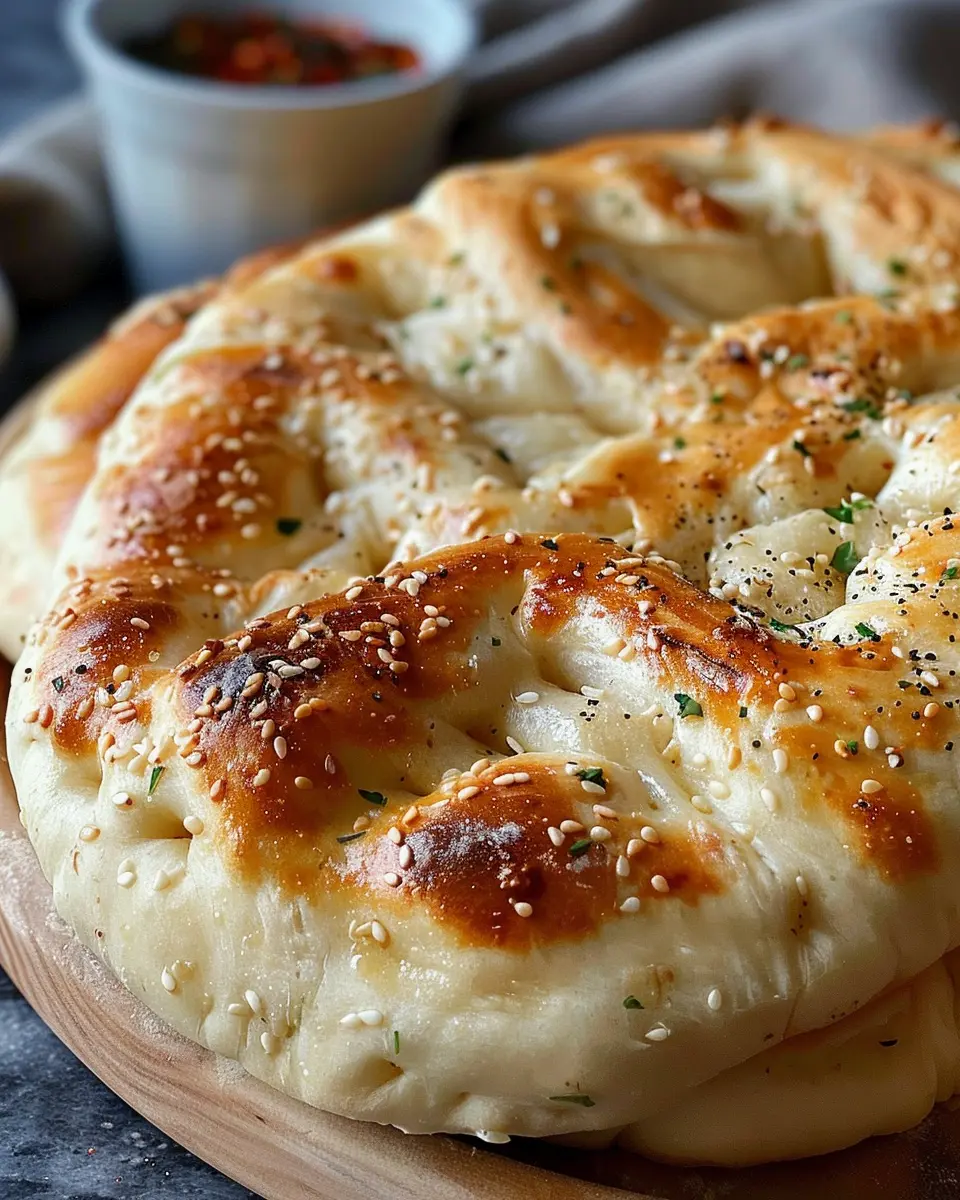
Variations on No-Oven Turkish Bread
Making no-oven Turkish bread opens up a world of flavors and personal touches. If you’re ready to get creative, here are two delightful variations that add a unique twist to the traditional bread recipe.
Herb-infused Turkish Bread
Why not elevate your no-oven Turkish bread with the vibrant flavors of fresh herbs? Incorporating herbs not only enhances the aroma but also adds depth to the taste. Consider a mix of rosemary, thyme, and parsley for a Mediterranean flair. Simply chop fresh herbs and mix them into your dough before kneading. This combination pairs beautifully with soups and salads, making your meal even more satisfying.
If you’re feeling adventurous, you can check out more herb pairings that work well with bread-making on Serious Eats.
Spicy Turkish Bread with a Kick
For those who enjoy a bit of heat, spicy no-oven Turkish bread is a perfect choice. Adding red pepper flakes or finely chopped green chilies to the dough can provide a delightful punch. You might even want to experiment with adding a touch of garlic powder or cumin for an extra flavor boost. This variation is fantastic on its own or served with creamy dips for an exciting appetizer!
Imagine the reactions from friends and family as they take their first bite of your spicy bread. It’s a guaranteed crowd-pleaser! And remember, if you want to keep it interesting, you can always ask your guests what spice combinations they enjoy. That could lead to some fun kitchen experiments!
Feeling inspired? Try these variations on your next baking day to create an unforgettable experience!
Cooking Tips for No-Oven Turkish Bread
Choosing the Right Pan for Baking
When making no-oven Turkish bread, the right pan can make all the difference. A heavy-bottomed skillet or a cast-iron pan is ideal; they retain heat well and help achieve that beautifully golden crust. If you have a lid, that’s a bonus—the steam helps create a fluffy interior. Just be sure the pan is wide enough to allow the bread to expand without restriction.
Troubleshooting Common Dough Issues
Sometimes, things don’t go as planned. If your dough feels too sticky, don’t hesitate to add a little more flour until it reaches the desired consistency. Conversely, if it’s too dry, a splash of water can bring it back to life.
Have you ever encountered overly dense bread? This could be due to insufficient kneading or letting the dough rest too long. Giving it a few extra minutes of working and a proper resting period can make all the difference. For more tips, check out this helpful guide on dough troubleshooting.
Remember, practice makes perfect, so don’t be discouraged by small setbacks!
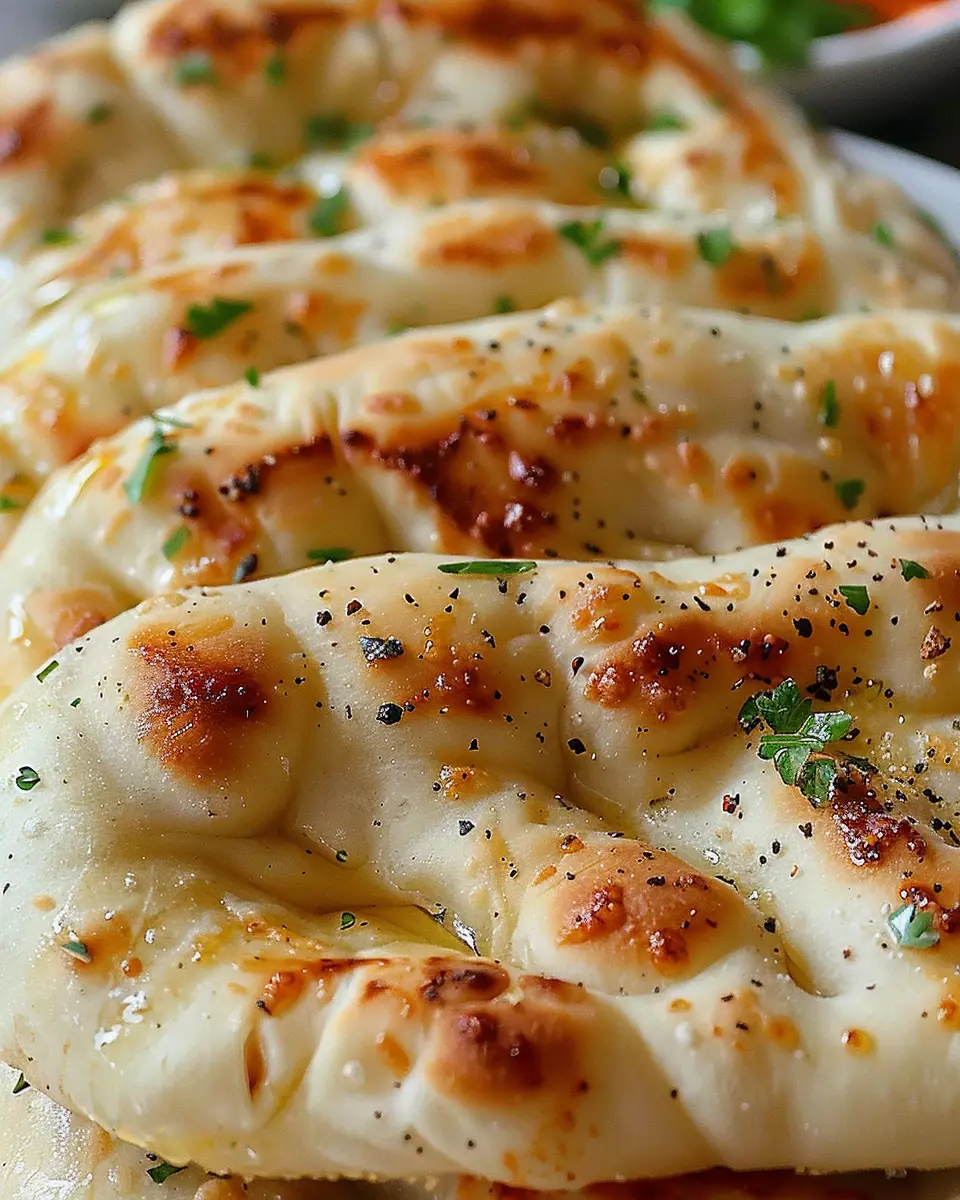
Serving Suggestions for No-Oven Turkish Bread
Pairing with dips and spreads
There’s something magical about no-oven Turkish bread and dips. Think creamy hummus, tangy tzatziki, or rich baba ganoush; these pairings bring out the bread’s delectable flavor. You could also try it with a nutty Muhammara for a little extra zest.
- Hummus: A classic choice that complements the bread’s texture beautifully.
- Tzatziki: The cool yogurt and cucumber blend balance the warm, chewy bread.
- Olive tapenade: A savory option for olive lovers.
Not only do these spreads elevate your snack game, but they also provide essential nutrients—check out this guide on healthy dips to explore more options!
Incorporating into your meals
Imagine using no-oven Turkish bread as a versatile base for your meals! Whether as a breakfast side, a hearty lunch, or a delightful dinner accompaniment, it can adapt to various cuisines.
- Breakfast open sandwich: Top with avocado and Turkey Bacon for a satisfying start.
- Savory wraps: Fill with grilled veggies and Chicken Ham for a quick lunch.
- Soup companion: Serve alongside a bowl of comforting lentil soup—it soaks up the flavors beautifully.
Integrating this delightful bread into your meals not only adds texture but also enhances overall flavor.
Time Breakdown for No-Oven Turkish Bread
Preparation Time
Get ready to roll up your sleeves! The preparation time for this delightful no-oven Turkish bread is about 15 minutes. Make sure you have all your ingredients laid out—flour, yeast, and a pinch of salt. It’s an excellent way to dive into a cooking experience that doesn’t require too much fuss.
Cooking Time
Once your dough is ready, it’s time for the magic. Cooking this no-oven Turkish bread takes approximately 20 minutes. Simply toss the dough onto a hot skillet, and let it transform into a golden-brown masterpiece!
Total Time
In total, you’re looking at around 35 minutes to create your very own no-oven Turkish bread. Perfect for a quick lunch, snack, or to impress friends at dinner! Want to dive deeper into baking without a traditional oven? Check out other easy recipes here for inspiration!
Feel free to explore the wonders of Turkish bread in your kitchen, and enjoy the process of creating something delicious from scratch!
Nutritional Facts for No-Oven Turkish Bread
Calories and Basic Nutritional Overview
When you dive into a delicious slice of no-oven Turkish bread, you’re treating yourself to around 150 calories per piece. This bread is typically rich in carbohydrates, providing a nice boost for energy. Its ingredients often include flour, water, salt, and a bit of oil, making it a simple yet satisfying addition to various meals. You can expect a moderate amount of protein and minimal fat, especially if you choose to reduce the oil or roll it with healthier fillings. For an in-depth look at bread nutrition, consider checking out the USDA’s FoodData Central.
Tips for Healthier Alternatives
Want to elevate your no-oven Turkish bread game? Here are some smart swaps:
- Flour Choices: Opt for whole wheat flour to add more fiber. It’s good for your heart and can help keep you full longer.
- Herbs & Spices: Add flavor without calories—consider mixing in herbs like rosemary or spices like paprika for an aromatic touch.
- Topping Choices: Instead of butter, go for olive oil or avocado for healthy fats, or load on fresh veggies for added nutrients.
- Portion Control: Enjoying smaller servings can help maintain a balanced diet while satisfying your cravings.
Incorporating these healthier adjustments can be a game changer, ensuring you enjoy your delightful bread without compromising on health. Always remember to listen to your body and eat mindfully!
FAQs about No-Oven Turkish Bread
When it comes to making no-oven Turkish bread, you probably have a few questions on your mind. Let’s address some common inquiries to help you enjoy this delightful recipe!
Can I freeze no-oven bread?
Absolutely! Freezing no-oven Turkish bread is a fantastic way to enjoy it later. Simply let the bread cool completely, then wrap it tightly in plastic wrap or aluminum foil. Place it in an airtight container or a resealable plastic bag before popping it in the freezer. It will keep well for about three months. When you’re ready to enjoy it, just thaw it at room temperature or pop it in a pan for a quick reheat.
What can I add to the dough for extra flavor?
Enhancing the flavor of your no-oven Turkish bread can elevate your baking game. Here are some tasty suggestions:
- Herbs: Fresh or dried herbs like rosemary, thyme, or dill can add a wonderful depth of flavor.
- Spices: A pinch of cumin or smoked paprika can introduce a warm, earthy touch.
- Cheese: Incorporate shredded cheese like feta or mozzarella directly into the dough.
- Garlic: Minced garlic can provide a robust flavor that pairs perfectly with any meal.
Experimenting with these additions not only makes the bread unique but can also complement whatever you’re planning to serve it with.
How do I store leftovers?
To keep your no-oven Turkish bread fresh, store it in a cool, dry place in a breadbox or wrapped in a cloth. If it’s still wrapped in foil or plastic, that’s fine too, but make sure it’s not airtight to avoid moisture building up. Enjoy it within a couple of days for the best taste, or keep it in the fridge if you prefer a longer shelf life.
If you’re interested in more tips and tutorials for creative bread recipes, check out this incredible resource for all things baking!
Conclusion on No-Oven Turkish Bread
Embracing Homemade in Your Busy Life
Making no-oven Turkish bread is not just a cooking adventure; it’s a delightful way to embrace homemade goodness amidst your hectic schedule. With just a few ingredients and minimal prep time, you can fill your home with warm, fresh bread that surpasses any store-bought option.
Imagine the satisfaction of serving your friends or family something you crafted yourself. Plus, this simple recipe offers versatility, allowing you to pair it with healthy dips or hearty fillings like turkey bacon or chicken ham.
So why not give it a try? Dive into the joy of homemade cooking with this easy recipe and create memorable meals without the fuss. For more tips on simple homemade recipes, check out BBC Good Food for inspiration that fits your busy lifestyle.
PrintNo-Oven Turkish Bread: Easy Homemade Delight You’ll Love
No-Oven Turkish Bread is a delightful and easy recipe that doesn’t require baking. Perfect for anyone looking for a quick and delicious homemade bread alternative.
- Prep Time: 10 minutes
- Cook Time: 15 minutes
- Total Time: 25 minutes
- Yield: 4 servings 1x
- Category: Bread
- Method: Stovetop
- Cuisine: Turkish
- Diet: Vegetarian
Ingredients
- 2 cups all-purpose flour
- 1 teaspoon salt
- 1 tablespoon sugar
- 1 teaspoon baking powder
- 1 cup warm water
- 2 tablespoons olive oil
Instructions
- In a mixing bowl, combine flour, salt, sugar, and baking powder.
- Add warm water and olive oil to the dry ingredients and mix until a dough forms.
- Knead the dough for about 5 minutes until smooth.
- Divide the dough into smaller balls and flatten them.
- Heat a non-stick pan over medium heat and cook each flattened dough for 2-3 minutes on each side until golden brown.
Notes
- For a fluffier bread, let the dough rest for 30 minutes before cooking.
- You can add herbs or spices for additional flavor.
Nutrition
- Serving Size: 1 piece
- Calories: 150
- Sugar: 1g
- Sodium: 200mg
- Fat: 5g
- Saturated Fat: 1g
- Unsaturated Fat: 3g
- Trans Fat: 0g
- Carbohydrates: 22g
- Fiber: 1g
- Protein: 4g
- Cholesterol: 0mg
Keywords: No-Oven Turkish Bread, easy bread recipe, homemade bread, Turkish cuisine, quick bread recipe